







 Německý název: Olbersdorf
Počet obyvatel: 480
Počet domů: 149
Rozloha: 1007,4 ha
Zeměpisná poloha: 49o55' N / 16o38´ E
Nadmořská výška: 505 m n.m.
Telefon: 465 322 560
Adresa: 563 01 Albrechtice 145
E-mail: Tato e-mailová adresa je chráněna před spamboty. Pro její zobrazení musíte mít povolen Javascript.
Web: www.ou-albrechtice.cz
Vesnice se nachází severovýchodně od města Lanškroun. Leží v údolí řeky Moravské Sázavy a tvoří bránu do přírodní lokality "Sázavského údolí", hojně navštěvovaného turisty a výletníky.
V obci je hlášeno k trvalému pobytu 498 obyvatel.
Listinou z r. 1304 potvrzuje král Václav II. město Lanškroun s 24 vesnicemi jako dar zbraslavskému klášteru. Mezi vyjmenovanými vesnicemi jsou již Albrechtice zmíněny.
Jednou z historických dominant vesnice je kostel sv.Anny, který byl postaven albrechtickými občany v rozmezí let 1862-64.
Kostel prodělal několik oprav, větší oprava byla provedena v r. 1997.Novodobá historie se skládá z období po r. 1945, dále z období od r. 1976-90, kdy byla obec součástí města Lanškroun, a období od 1.1.1991, kdy se obec po referendu občanů osamostatnila. Výsledkem je opravený obecní majetek, údržba zeleně a větší zájem lidí o vesnici. Prvním starostou po osamostatnění obce byl Alois Hrabáček (do r. 2002), nyní Ing. Jaroslav Novák. V obci pracují občanská sdružení hasičů, myslivců a TJ, která vede své činnosti zajišŤují kulturní a společenské akce pro občany.
Podrobné informace (převzato z "Vlastivědy Lanškrounska"):
Albrechtice leží v údolí horního toku Moravské Sázavy 3 km severovýchodně od Lanškrouna. První písemná zmínka o Albrechticích (Albrechtsdorf) pochází z roku 1304 z donační listiny krále Václava II. Zbraslavskému klášteru. Podoba jména vesnice je typicky kolonizační a vychází z osobního jména lokátora obce. Vznik je v době středověké kolonizace zdejšího kraje. Odtud názem Albrechtsdorf, který znamená „ves lidí Albrechtových“.Později byl německý název zkomolen na Olbersdorf a v této podobě používán až do roku 1945. Blízkost vesnice k městu Lanškrounu ovlivňovala už od nepaměti osudy Albrechtic. V letech 1976-1991 byly dokonce administrativně Albrechtice s Lanškrounem sloučeny.
Výraznou silou v dějinách obce byla také říčka Moravská Sázava, která poháněla řadu zařízení. Už roku 1371, kdy litomyšlský biskup Petr Jelito založil v Lanškrouně kanonii řeholních kanovníků řádu sv. Augustina, daroval tomuto klášteru mlýn na Moravské Sázavě ležící u Albrechtic. Roku 1508 vydal tehdejší majitel města a panství Vojtěch z Pernštejna listinu albrechtickému rychtáři Lytmanovi, z níž vyplývá, že říčka kdysi poháněla i hamr - kovárnu s mechanickým kladivem. Ta už ale začátkem 16. století neexistovala a připomínal jí jen název louky "Na hamerně". Mimo to je v takzvaném Lytmanově hamfeštu zmiňována existující valcha, jíž využívali lanškrounští soukeníci k výrobě vlněného sukna. Rychtář byl povinen mj. opravovat a udržovat žlab vedoucí vodu do valchy, k čemuž mohl používat vrchnostenské dřevo. K příslušenství rychty, kterou Lytman od Vojtěcha z Pernštejna koupil patřilo kromě polností a jmenované louky příslušenství v podobě rybníčku nad valchou, haltýře a šenk, z něhož byl povinen platit dvakrát ročně sjednaný plat. Valcha je pak v Albrechticích zmiňována i roku 1588, v artikulích lanškrounských soukenických soukeníků. Poslední zařízení tohoto druhu zde působilo od roku 1837 až do prvních desetiletí 20. století. Lanškrounské panství se postupně dostalo do majetku Kostků z Postupim a následně Pernštejnů. V roce 1588 se stal dalším majitelem jeden z nejbohatších mužů v zemi Adam Hrzán z Harasova. 5. prosince 1622 koupil lanškrounské panství tehdejší český místodržící Karel z Liechtensteinu. V držení jeho rodu zůstalo panství a s ním i vesnice Albrechtice až do roku 1850. Léta 1848-1850 přinesla Albrechticích výrazné změny v podobě zrušení všech poddanských a postupně i jiných závazků k lanškrounské vrchnosti. Prvním starostou byl Vinzenz Maixner (do r. 1861). Od roku 1850 byly Albrechtice součástí soudního a politického okresu Lanškroun.
Zdejší škola je poprvé zmiňována v roce 1788, kdy se vyučovalo v domě čp. 3. Roku 1792 pak byla postavena nová školní budova ze dřeva, která dosloužila až roku 1871 a byla o pět let později nahrazena novostavbou. Do roku 1998 byla škola využívána 3. a 4. ročníkem žáků dojíždějících z Lanškrouna, potom byla zrušena, bývalá škola je přestavěna na společensko kulturní centrum s prostorným sálem a ostatními prostory pro zájmovou činnost, je zde také 1 byt. V obci je hezká mateřská škola, která prošla rekonstrukcí.
Vlastní svatostánek si zbudovali albrechtičtí až v šedesátých letech 19. století. Hlavní hybnou silou stavby se stal inženýr Wenzel Knapek, pocházející z čp. 59. Ten nejen zpracoval stavební plány a shromáždil peníze, ale sám také finančně na stavbu přispěl. Základní kámen kostela sv. Anny, vybudovaného na místě staré dřevěné zvoničky, byl položen roku 1861. Slavnostně vysvěcen pak byl roku 1865 za hojné účasti věřících z obce i obyvatel Lanškrouna. I když se jedná o sakrální stavbu, není pro tyto účely využívána, a protože je v majetku obce je v současné době kaple využívána ke kulturním a ostatním společenským setkáním . Budova prošla rozsáhlou rekonstrukcí. Vlastní hřbitov pak byl obci zřízen roku 1893.
Mezi pamětihodnosti obce patří i tzv. Schöberlova kaple na stejnojmenném kopci nad Albrechticemi u silnice na Štíty. Tuto takzvanou "kapli" představuje barokní pilíř se sousoším Piety z roku 1704. Tento pilíř nechal vztyčit někdejší vrchnostenský úředník - důchodní Jan Jiří Antonín Bartošek. Na jeho podstavci jsou vytesány celkem tři nápisy - latinský, český a německý, které hlásají, kdo a kdy tuto "kapli" nechal vztyčit a opatřen je i úředníkovým erbovním znamením v podobě zlatého gryfa s mečem v pravici.
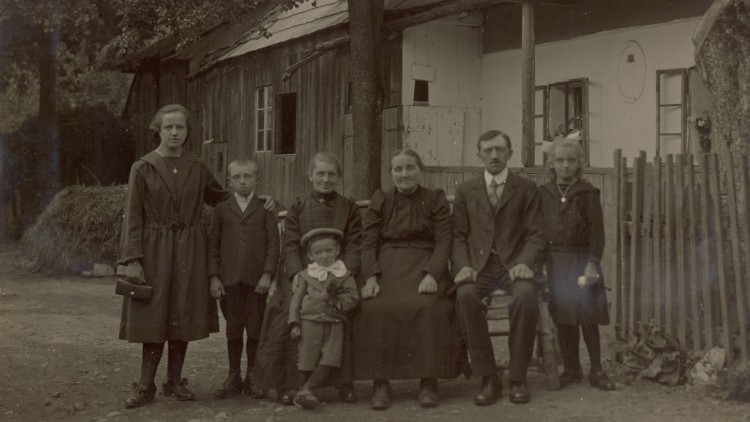
Společenský život obce v první polovině 20. století vyplňovaly tradiční spolky jako byli dobrovolní hasiči (Freiwillige Feuerwehrverein), spolek byl založen v roce 1886, v roce 1905 bylo založeno hospodářské kasino (Landwirtschaftliches Casino), německá tělovýchovná jednota (DKV) a další. Na přelomu let 1918 a 1919 se držitel albrechtické dědické rychty a dosavadní poslanec vídeňské řísské rady Wilhelm Maixner zapojil aktivně do spolkové činnosti a také do formování státního útvaru Deutschösterreich. Od 1.10. 1938, kdy musel Wilhelm Maixner abdikovat na svůj úřad, v důsledku Mnichovské dohody obec připadla nacistickému Německu do vzniklé říšské župy Sudety.Po druhé světové válce proběhl v dějinách Albrechtic podobně jako v řadě míst na Lanškrounsku velký přeryv v podobě odsunu a dosídlení obce z vnitrozemí. V letech 1945-1946 došlo k násilnému přerušení sídlení kontinuity trvající téměř šest a půl století. V celém regionu po odsunu německých obyvatel došlo k velkému úbytku především pracovních sil, ale postupným osídlováním byla vesnice zachována. V obci zůstal zachován zemědělský charakter, okolní lesy umožnili vznik dřevozpracujícímu průmyslu.
V současnosti zde působí obnovený Sbor dobrovolných hasičů, Myslivecké sdružení Rychtářský les Albrechtice, Tělovýchovná jednota a Klub pohybu v obci - Šnek, které organizují společenské akce pro pět stovek stálých obyvatel.