


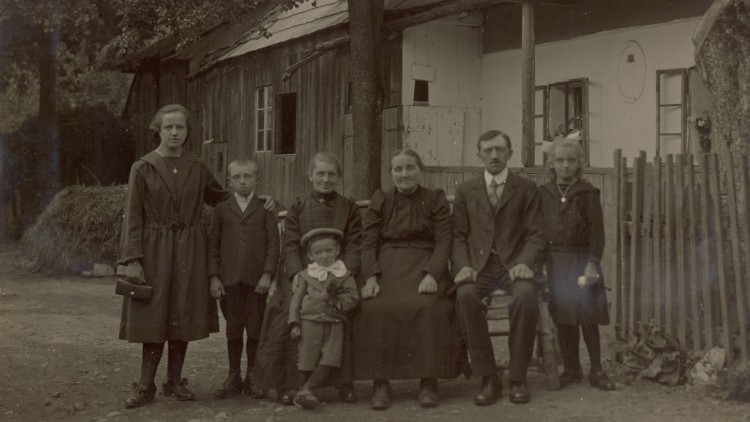





Zakladatel jednoho z nejproslulejších lanškrounských rodů, přistěhovalec z Hannoveru, chemik, farmaceut a botanik, založil roku 1794 první lanškrounskou lékárnu. Rozšířil manufakturu na výrobu plátna, takže dodával zboží až do Německa, Uher, Itálie a Turecka. Manufaktura zanikla v polovině 19.století. Christian Erxleben se podílel také na práci Vlastenecko hospodářské společnosti v Praze, je autorem odborného spisu o bělení plátna a dodnes zajímavé publikace s názvem O dobrotě a síle piva (1817).
Do Lanškrouna s katolickým obyvatelstvem mluvícím převážně německy, přijel v roce 1791 dvaadvacetiletý protestant Christian Polykarp Erxleben. Zcela neznámé byly pro něho poměry města, které se v té době začínalo měnit. Město mu bylo jazykově blízké. Převažující zaměření obyvatel na textilní řemesla mu vzhledem k experimentům s bílením bylo také blízké. A konečně změněné podmínky pro život nekatolíků po vydání tolerančního patentu v roce 1781 mu nebránily zůstat protestantem. Lanškroun se mu tudíž jevil jako místo výhodné pro realizaci jeho plánů do budoucna.
 Ch.P.Erleben, narozený roku 1769, byl synem protestantského kazatele z Parensen a Luthershausenu Firedricha Christina Erxlebena (1733-1801) a nevlastním vnukem první německé lékařky Dorothey Christiany Erxlebenové (1715-1762). Malý Ch.Polykarp chodil nejprve do místní školy, později ho učil soukromě jeho otec. V letech 1780-1786 se učil lékárenskému povolání. Nejprve v lékárně Gottfrieda Jordana v Göttingenu, praxi vykonával u würztburského vojenského a biskupského lékárníka Franze Xavera Krebse. Později praktikoval ve Stuttgartu a v roce 1789 přijel s pasem vévodské würtemberské vlády do Vídně, aby dostudoval. Díky své neobyčejné píli ve farmaceutickém studiu a zájmu pro práce v chemických laboratořích se dostal do kruhu důvěrných přátel Ignáce Borna. To byl český geolog doby josefínské a zakladatel učené společnosti, která se jeho vlivem věnovala přírodním vědám.. Jako první se pokusil využít chlóru v běličství. Bornovi jako svému učiteli byl nápomocen při jeho pokusech s "překyselenou kyselinou solnou" vlastně s chlórem.
Erxleben odešel z Vídně, patrně na základě Bornova přání a doporučení, na jaře roku 1791 do Náchoda do služeb manufakturního podnikatele F.Sperlinga. zde měl na jeho náklady demonstrovat použitelnost nové metody bělení, která později dostala název "rychlobělení, umělé bělení a chemické bělení." Bornovu metodu však Erxleben v Náchodě do výroby nezavedl. Sperlign dával Erxlebenovi výhodné návrhy k založení společnosti, která by v praxi uplatnila Bornovu metodu. Erxleben však zřejmě došel k závěru, že tato metoda nepovede k výsledkům, kterých by bylo možno použít ve výrobě, a tak Sperlingovi návrhy odmítal a začal se zabývat myšlenkou na samostatné podnikání. Zřejmě to byl jeden z důvodů, proč přijal objednávku Františka Pernikáře a v lanškrouně se potom před ním objevila svůdná příležitost.
I v Lanškrouně Erxleben pokračoval ve svých pokusech a v roce 1792 požádal dvorskou komoru a privátní privilegium na nový způsob výroby kyseliny vitriolové.
 Jedenáctého května 1794 se protestant Ch.P.Erxleben v Lanškrouně oženil s Annou Pernikářovou, patnáctiletou dcerou po zemřelém Františku Pernikářovi. Za svědky jim byl Jan Rieder, vrchnílanškrounského panství a Václav Bíbus, lanškrounský měšťan. K přátelům Pernikářových patřil i královéhradecký biskup Haye. Když s ním hovořili o svatbě dcery Anny s protestantem, našli u něo pochopení. Biskup Haye jim dal k svatbě povolení a o Erxlebenovi jako ženihovi řekl, že "muž, který je věrný svému náboženství a který je nechce měnit, přinese své ženě a dětem štěstí a může být klidně ženichem Anny Pernikářové."
Manželé Erxlebenovi převzali od tchýně vinopalnu v Lanškrouně. V témž roce si Erxleben otevřel lékárnu "U Milosrdného samaritána" a při ní vybudoval malou botanickou zahradu. V lékárně pečoval jak o chudé nemocné, tak i o bohaté zcela v duchu názvu napsaného na štítě. Nový dům lékárny měl svéráznou, v Lanškrouně neobvyklou architekturu. Kamenný půlkruhový portál měl uprostřed v ozdobných kruzích propletena písmena monogramu CPE a pod ní dřevěnou vyřezávanou girlandu. V lékárně mu později pomáhal jeho bratr lékárník Heinrich Wilhelm, který za ním přišel z Německa. Roku 1804 ho poslal Erxleben do Berlína, aby si tam studiem rozšířil svoje znalosti z chemie a botaniky. Po návratu pracoval zase v lékárně a v roce 1819 v Lanškrouně zemřel.
Erxleben byl vzdělaný chemik, botanik, který všechna svá podnikání prováděl na vědeckém základě. Ve své laboratoři připravoval nejen léky, ale začal i s výrobou známého bylinkového likéru, který nazýval Londer, jak napsal ve své zprávě, ho prodával až do Londýna.
Jeho podnikání v Lanškrouně se dařilo. Roku 1795 přikoupil pozemky, v příštím roce koupil pronajatou vinopalnu. Roku 1799 si pronajal na deset let od lanškrounské vrchnosti pole, louky a k tomu hospodářské budovy za roční pacht 413 zlatých. V témž roce koupil od vrchnost Annenský dvůr, který z části přestavěl na zděný. Koupil i pozemky, které k dvoru patřily. Píle věnovaná hospodářství se mu vracela ve výnosech.
 Od roku 1799 spolupracoval s českou Vlasteneckou hospodářskou společností v Praze, pro kterou dělal meteorologická zpravodajství. V roce 1810 se stal dopisujícím členem společnosti.
Zcela cílevědomě si svojí činností vytvářel finanční předpoklady k zamýšlenému textilnímu podnikání. K jeho výhodám patřila skutečnost, že mohl navázat na faktorství svého tchána. Svoje textilní podnikání však postavil na jiném základě.
Pověst o Erxlebenově činnosti se šířila nejenom po lanškrounském panství, ale i po Čechách a dostala se až do Vídně. Sedmého července roku 1799 navštívil kníže Alois Lichtenštejn, ve společnosti ruského generála knížete Boromfského a jeho tří synů, Erxlebenův podnik a i jeho malou botanickou zahradu, kde jim bylo naservírováno malé občerstvení. Na památku této události nechal Erxleben umístit na tom místě kamennou desku.
Erxleben, člověk nejenom vzdělaný, ale i podnikavý, dobře postřehl, že přesto, že se v okolí Lanškrouna pěstovalo množství lnu, který patřil mezi nejlepší v Českém království, se tam většinou spřádal na přízi, ale netkal. Pravděpodobně pro nedostatek tržních příležitostí a lpění na tradičním způsobu výroby nebyla na lanškrounském panství vytvořena do té doby žádná větší manufaktura ani obchodní společnosti, jak je známe ze severočeských oblastí. Příze byla ve velkém množství skupována překupníky z okolí Trutnova, Hostinného, České Lípy a Rumburku, odkud byla vyvážena částečně do Slezska, Saska a jinam. Tkalci z okolí Lanškrouna tkali pouze nejhrubší přízi a dodávali na trh zcela obyčejný druh lněného plátna, které, jak postřehl Erxleben, se nehodilo pro zahraniční obchod. V textilní produkci existují jako spojité nádoby dvě fáze, a to získávání a zpracovávání suroviny a vlastní výroba, popřípadě úprava textilního materiálu. Jelikož Erxleben chtěl vyrábět lněné tkaniny z jemných přízí, musel uvažovat o zřízení vlastního bělidla a úpravny, aby mohl vyráběné plátno prodávat v zahraničí. K takovému většímu podnikání však potřeboval finanční zajištění. V roce 1800, když byly jeho finanční poměry lepší, nechal si zhotovit ve Vamberku a Litomyšli větší počet tkalcovských stavů, listů (=brdo) a paprsků. Zaměstnal tkalce, které sehnal v horských oblastech královéhradeckého kraje, kteří v jeho domě z příze vykoupené v okolí Lanškrouna tkali jemné plátno jako vzor pro místní tkalce. Následně dal Erxleben několika vybraným místním tkalcům kromě listů a paprsků ke stavům i vlastní přízi, aby mu začali tkát jemná plátna s možností odbytu hlavně v zahraničí. Po překonání různých překážek začal vyrobené plátno potiskovat. V té době zaměstnával 1 rytce modelů, 1 barvíře, 3 tiskaře (kteří se do Lanškrouna přistěhovali) a ještě 27 místních lidí. O tomto svém podnikání sám napsal, "že ačkoliv veškeré svoje zařízení tak hospodárně, jak jen bylo možné, zhotovil a udělal si pokus s malým kapitálem, musel použít celkem 50.000 zlatých." Při tomto pokusu hledal odbyt zboží v cizině. A tak hned na začátku svého podnikání navázal v cizině obchodní spojení a cesty k dalšímu odbytu jak pro tištěné, ale hlavně pro bílé plátno. Z tohoto zboží prodal většinu do Hamburku a také do některých italských měst. Získal poznatek, že bílé plátno se v cizině daleko snáze prodávalo než potištěné, kterému stála v cestě obliba kartounů. Aby mohl svůj podnik dále rozšiřovat, požádal 31.srpna roku 1802 Krajský úřad v Chrudimi a Gubernium v Praze o povolení zřídit si v Lanškrouně "Zitz-Koton-und Leinwandfabrik."
Gubernium udělilo Ch.P.Erxlebenovi povolení k otevření továrny s omezením, že se bude věnovat pouze zpracování lnu. Jako značky směl používat štítu s císařským orlem. Udělení privilegia Erxlebenovi svědčilo o tom, že stát chce jeho podnik podporovat, že se těší jeho přízni a ochraně. Vnějším výrazem bylo právě právo užívat císařského znaku. Měl i právo označovat své zboží ochrannou známkou. Uděleným privilegiem byl Erxleben oprávněn zaměstnávat ve svém podniku zásadně neomezené množství pracovních sil. Omezení na zpracování lnu souviselo s tehdejším státním zájmem na pěstování a zpracování lnu v lanškrounské oblasti, neboť přechod k výrobě bavlněného zboží by znamenal ztrátu obživy tisíců lidí v horských oblastech.
Krajským úřadem v Chrudimi byl Erxleben považován za znalce a odborníka, a proto ho požádali o jeho názor na lnářství v kraji. Roku 1803 poslal do Chrudimi Erxleben rozsáhlý elaborát, kde zhodnotil svoje zkušenosti s manufakturou a obchodem se lnem.