"Air-cooled researcher" – this is how Stanislav Vimr calls himself in connection with searching for the history of brickworks in the Lanškrounsko region. He holds the view that researching in archives and old documents should be left to those more qualified, and he prefers field research and talking to contemporary witnesses.
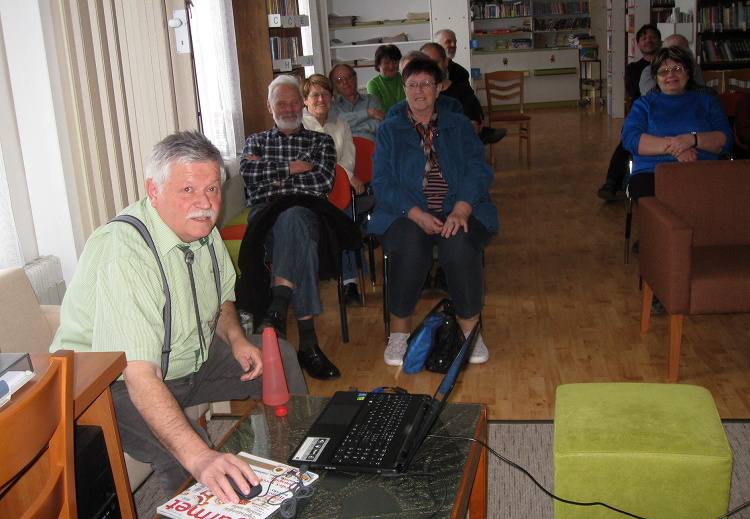
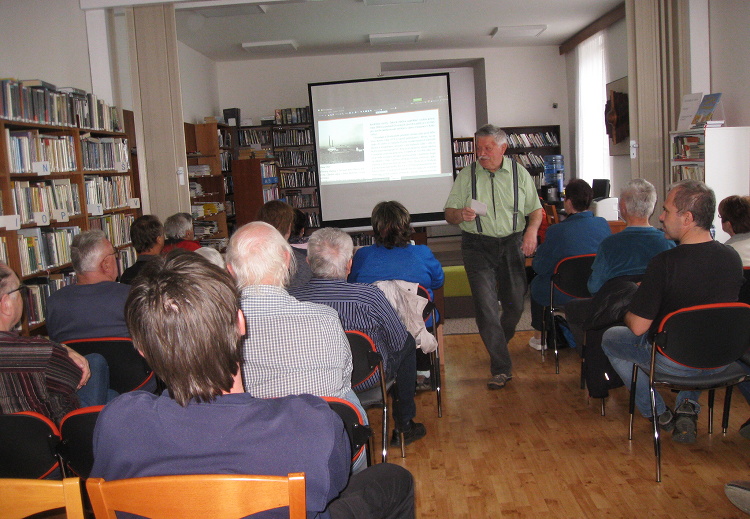
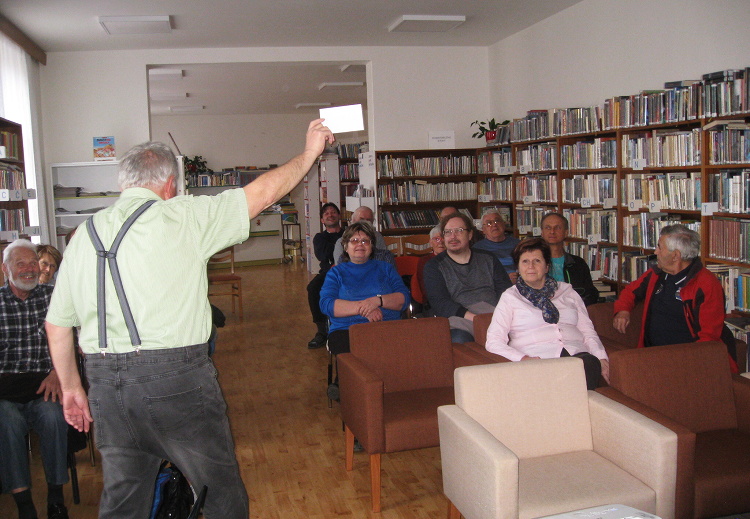
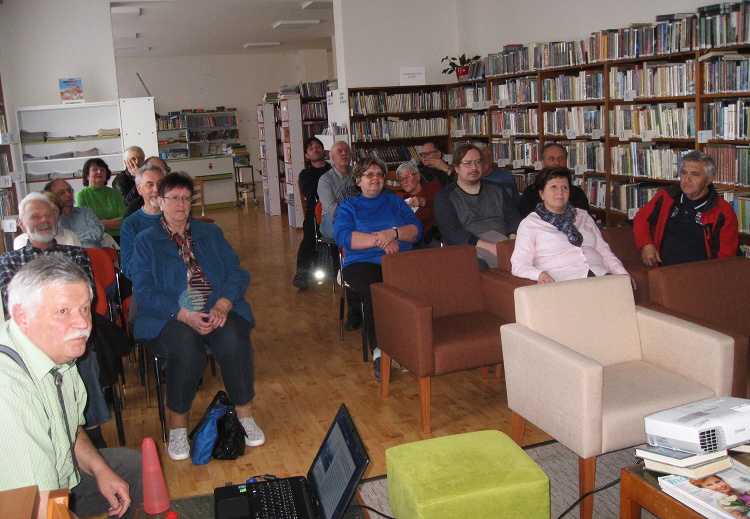
The meeting with people who are interested not only in brickworks but in the history of the town as a whole was carried out in this very spirit. It took place on April 4 at the town library and extended to a good two hours. At times, some old photographs sparked quite a discussion, and one realized how quickly Lanškroun changes over time.
The town lies on a clay subsoil, so it was completely logical that several brickworks were established here in the past. The oldest date back to the period around 1700, when the Zámeček was being built.
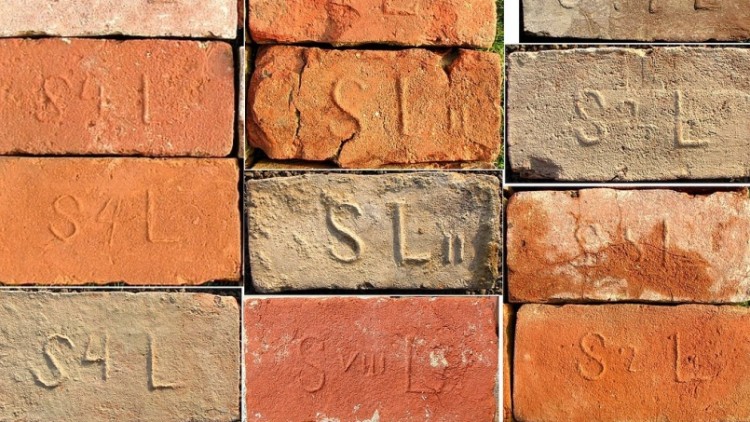
Bricks produced in the brickworks were marked with codes, by which it can be recognized which brickworks they come from. There were several of those in Lanškroun, while for some we still do not know who the owner was or where the brickworks was located.
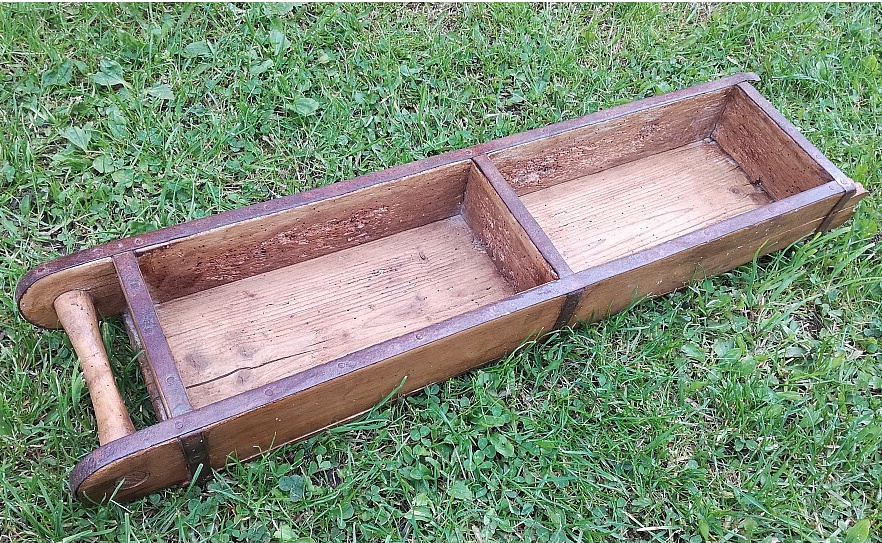
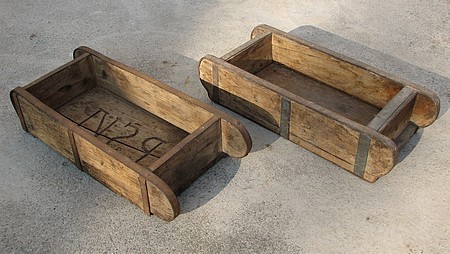
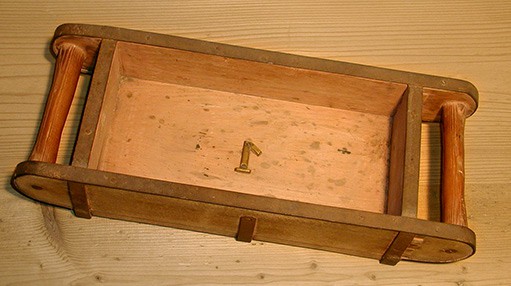
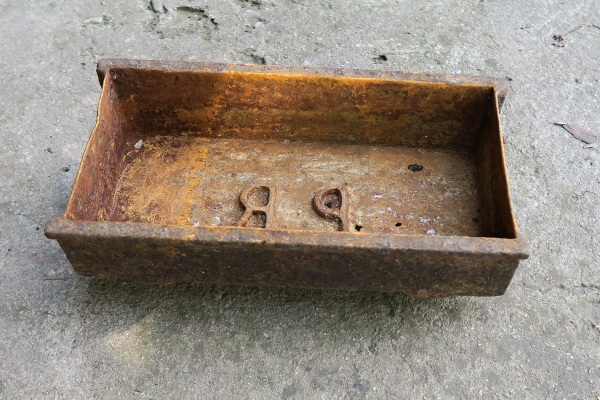
At first, bricks were made by hand, the clay was pressed into molds. Initially, the molds were made of wood, later of sheet metal. Where there was an obligation to mark the bricks with codes, the brickmaker had to engrave the code into the bottom of the wooden mold. In sheet metal molds, the codes were riveted, for example, from flat bars or round bars. Wooden molds produced bricks with a so-called positive code, where the code protruded above the surface of the brick. From sheet metal molds, the codes were negative, marked into the body of the brick.
There was no obligation to mark the entire batch of bricks, nor was it determined what the code should look like. Mostly they were letters, or combined with numbers. The code did not always refer to the owner of the brickworks.
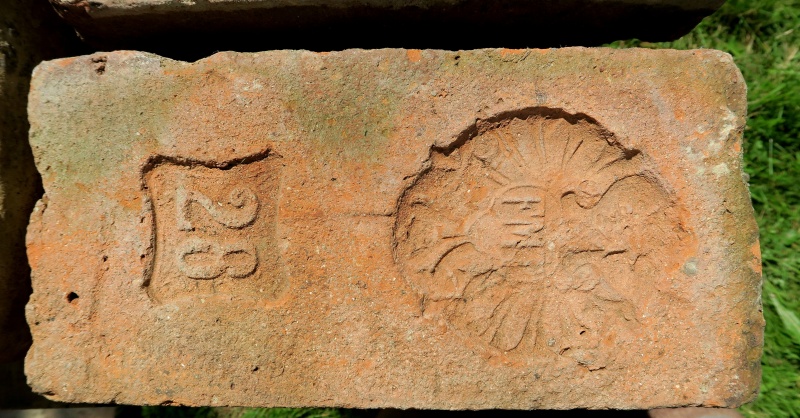
Codes did not have to be just letters and numbers, but there were also very sophisticated codes, for example, on bricks called Tereziánky. This is a beautiful piece of graphic work. These bricks were produced for the fortification of the town of Olomouc, the construction of which was decided by Marie Terezie. This fact can be traced on the brick, where three letters F M T are used, which stand for Franz Marie Terezie.
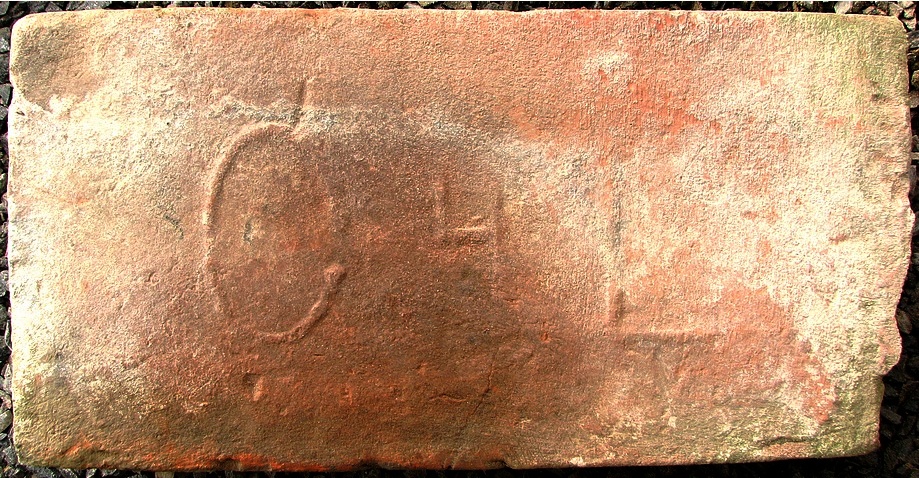
The participants of the discussion about brickworks received two homework assignments: to find out from which brickworks the bricks with the code C L come from and where the brickworks of Karl Sponner stood.
And how did the fate of the brickworks unfold after World War II? For most, it was similar. Sports grounds and shooting ranges were created from the brickworks; after the war, they served for the short-term storage of military equipment and ammunition, and very often also as waste landfills.
In his storytelling about the brickworks, Stanislav Vimr used not only his own findings but also thanked the museum staff and his friends, to whom the topic of brickworks is close, for the provided information. He also drew part of the information from the publication by Dušan Šlahora "Lanškroun moje pozdní láska" published in 2014. "In the book by Mr. Šlahora, the history of Lanškroun brickworks is comprehensively recorded for the first time, and my intention is not to condemn this work, but to build upon it, supplementing it with the findings I have discovered," stated Stanislav Vimr.
Marie Hrynečková
So what do we know about the Lanškroun brickworks?
Brickmaker Tausch. We know about him that around 1700 he supplied 59 thousand bricks for the construction of the cellar vault of the Zámeček. This information was provided to the public by the castellan Krasava Šerkopová, who obtained important documents about the construction of the Zámeček from the archive in Vienna. Mr. Ladislav Bárta also participated in the translation of the documents from German.
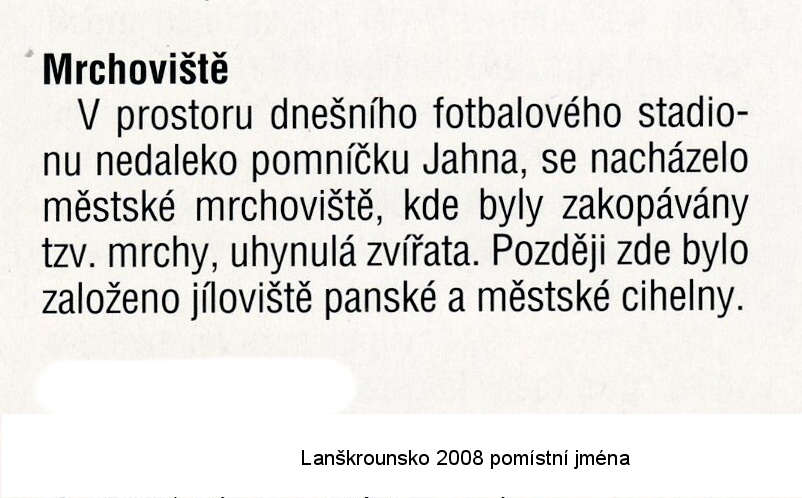
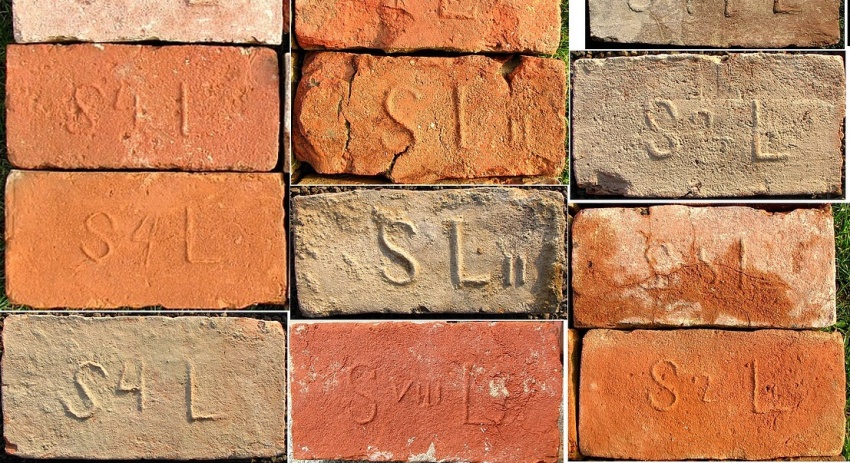
The brickworks owned by the Město Lanškroun and Prince Lichtenštejn, later the Městská cihelna or Stadt-ziegelei Landskron, was located at the site of the current football pitch. It was founded in 1780 and ceased operations in 1917. Bricks from this brickworks have a positive code S L.
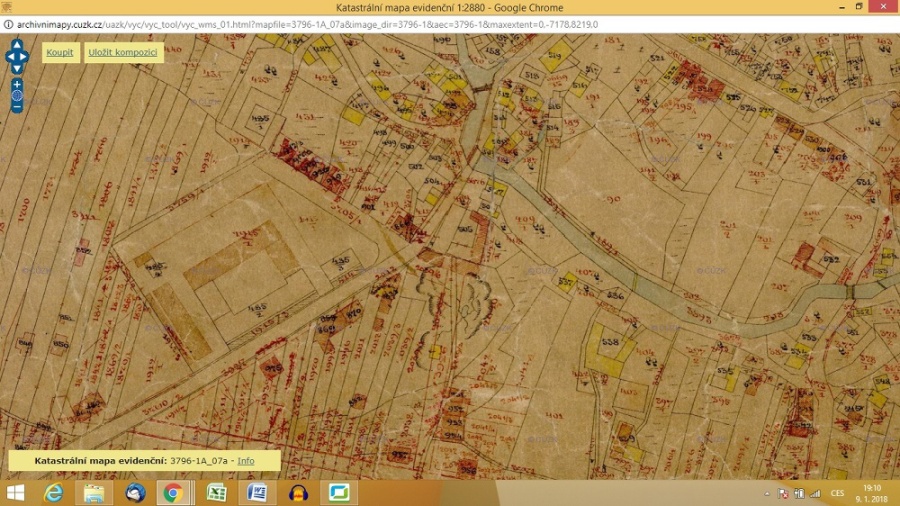
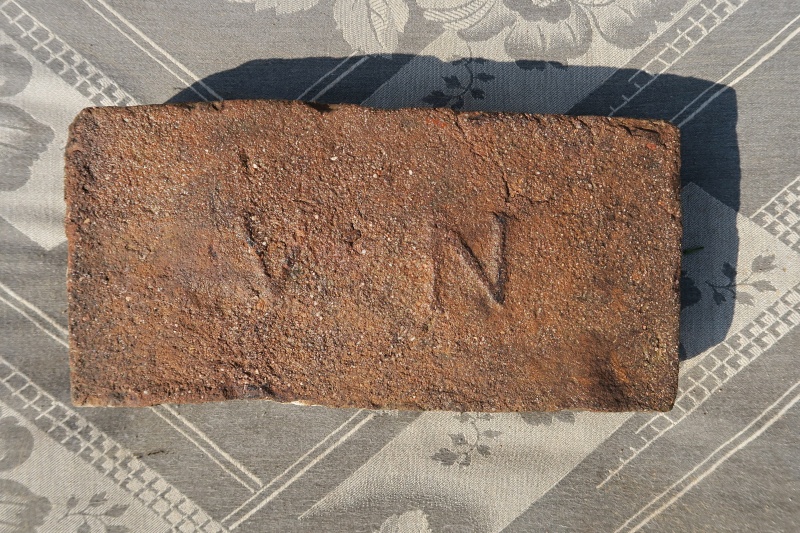
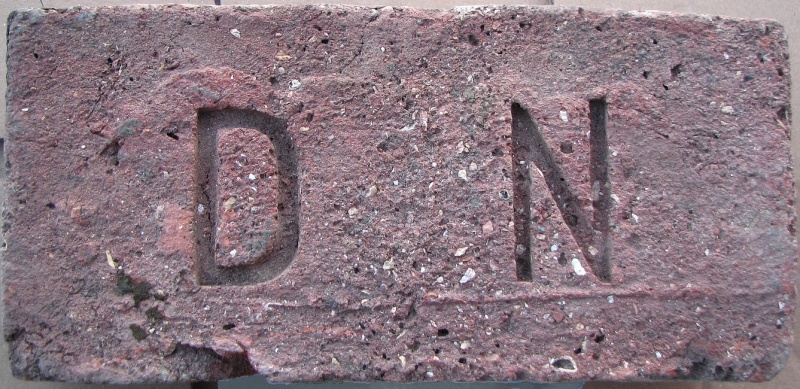
Vincenz Nagel had a brickworks at the site of today's bus station. It is known that it existed already before 1900 and the production of bricks ended in 1905 – see the fire of the drying room of Zd. Vodička. The bricks had a positive code V N.
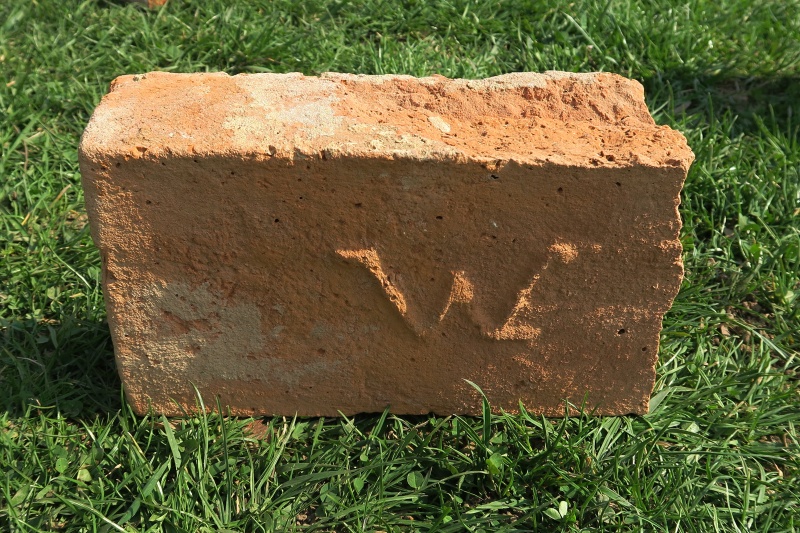
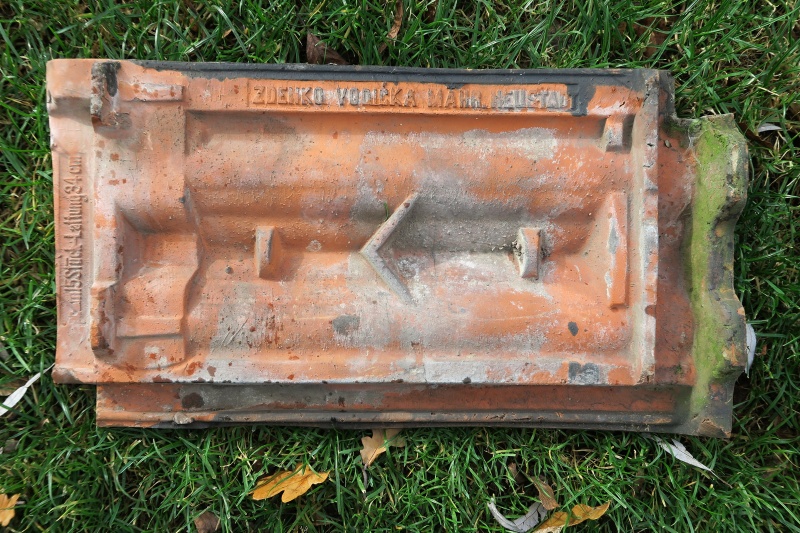
Zdenko Woditschka (also written Vodička) was a tenant of Nagel's brickworks. He was not a citizen of Lanškroun, he came from Uničov and functioned as a developer in Lanškroun. He built and sold houses. The brickworks disappeared with the construction of B. Smetany street. The bricks possibly had a positive code W.
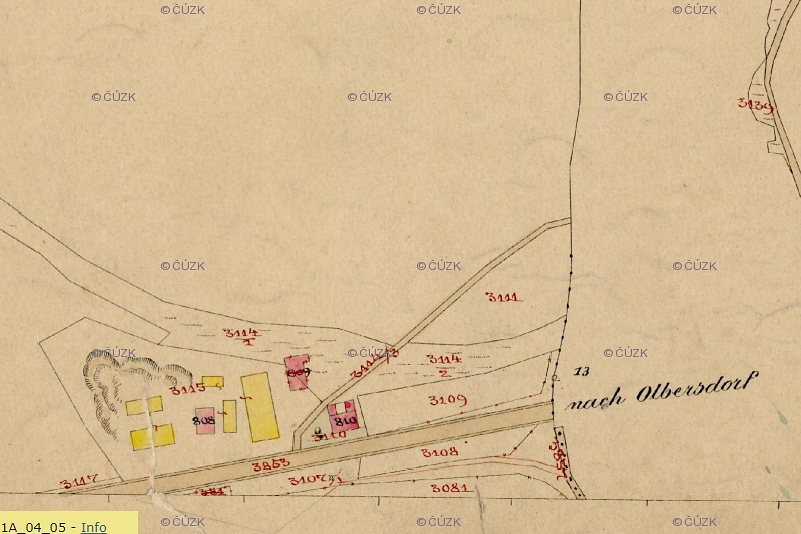
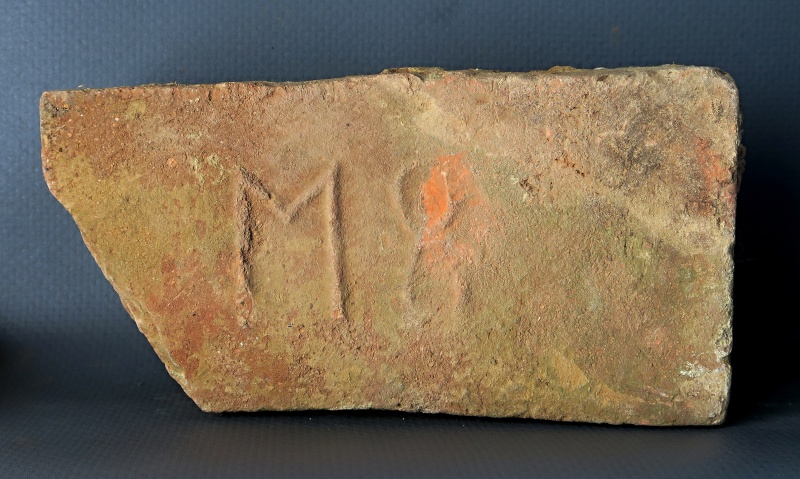
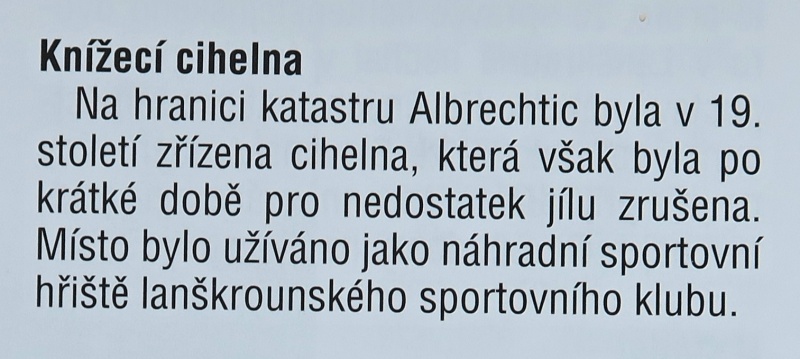
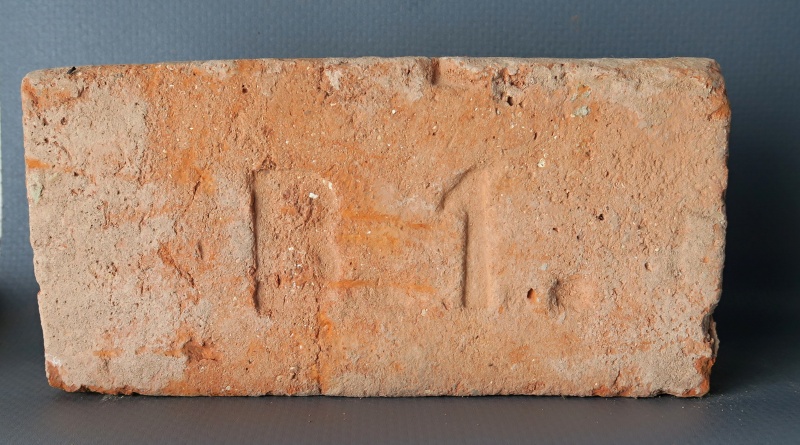
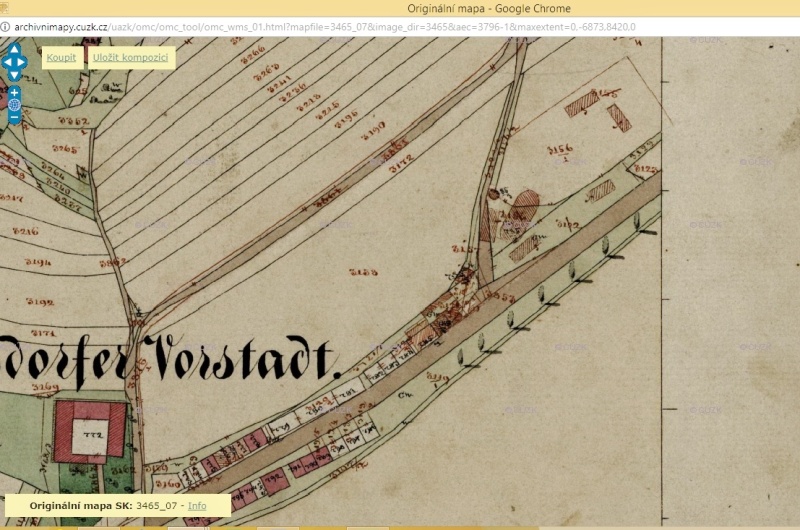
The least known brickworks was located between Lanškroun and Albrechtice behind the current fruit nurseries. It was founded in 1870. Since the Müller spouses are mentioned here at that time, a positive code M + number is possible.
The brickworks J. Beran, mentioned in the directory of brickworks in 1897 – we do not know where it was. However, we find bricks with a positive, but more often negative code B and a number.
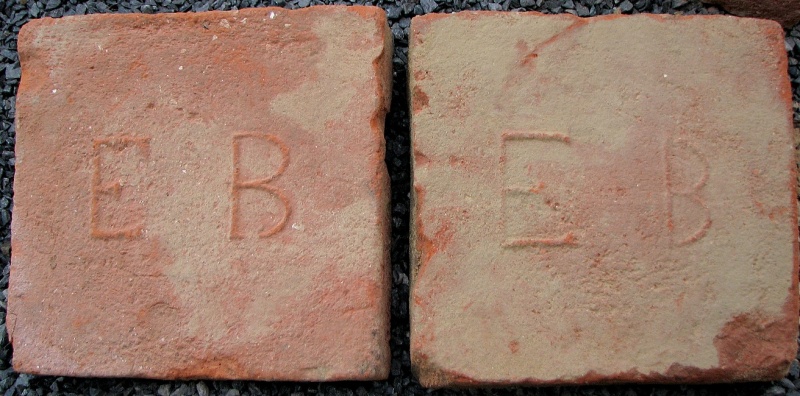
Eduard Beran, the brickworks was located opposite the cemetery, it used a positive code E B. It is found both on bricks and on půdovky (square-shaped bricks used for attic floors). Bricks with this code are found most frequently during the demolition of Lanškroun houses.
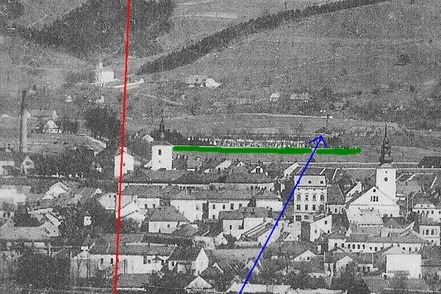
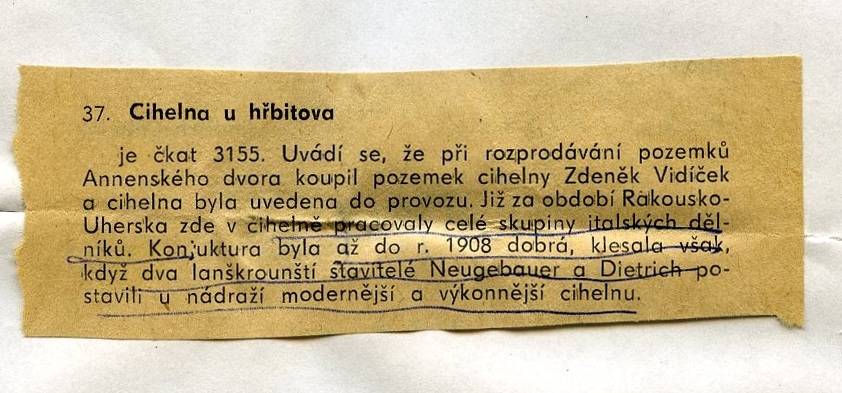
At this point, it is necessary to mention probably the first owner of the brickworks, Zdenek Vidíček, who is mentioned by the chronicler Jindřich Chládek in one of the issues of Lanškrounský zpravodaj. The brickworks was also supposed to be located opposite the cemetery.
It can be assumed that Eduard Beran was a tenant of Z. Vidíček's brickworks, as it is the same location-plot. E. Beran, as a multiple-times elected councilor, is listed as a tenant of the brickworks, not the owner of the brickworks.
The brickworks was taken over by his grandson Josef Neugebauer, and together with Otto Ditrich, they built (reconstructed?) a steam brickworks in 1908, again opposite the cemetery, at the site of today's petrol station. So, the same location.
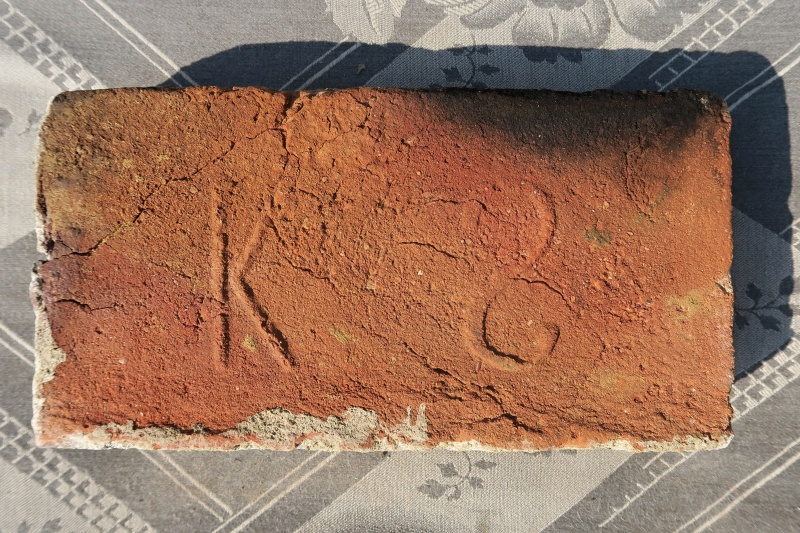
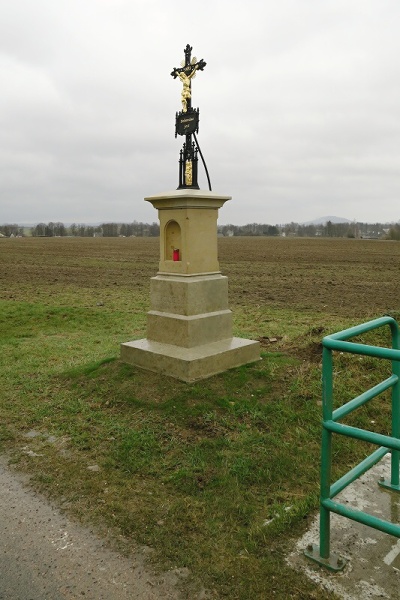
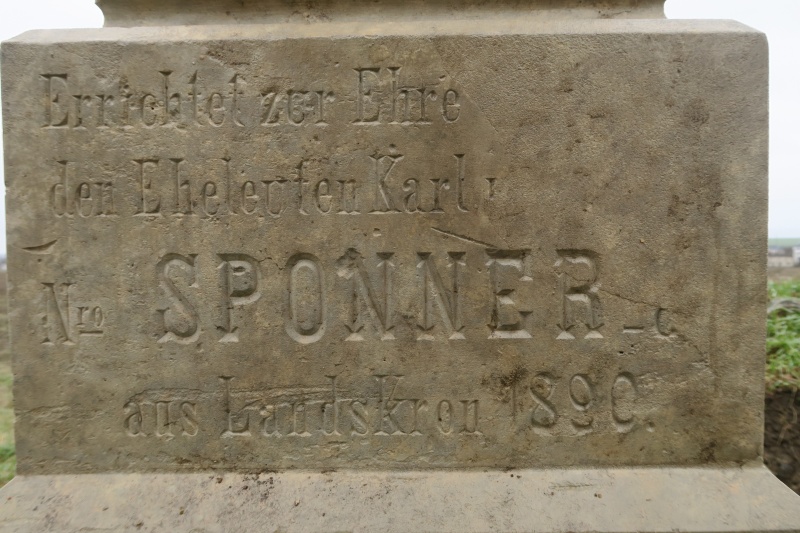
The brickworks Karl Sponner dates back to the second half of the 19th century, it used a positive code K S. It is not known in which location the brickworks was. Karl Sponner lived in house No. 85, today's carpet shop below Krčma.
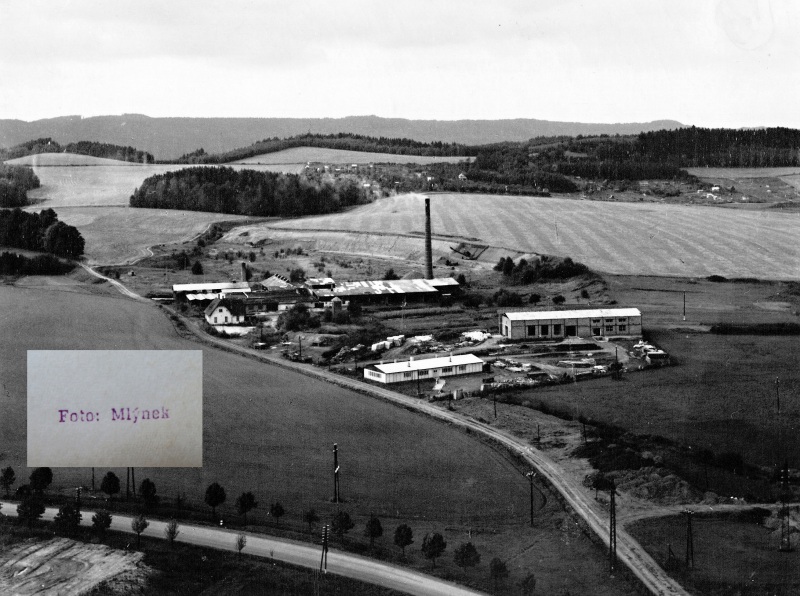
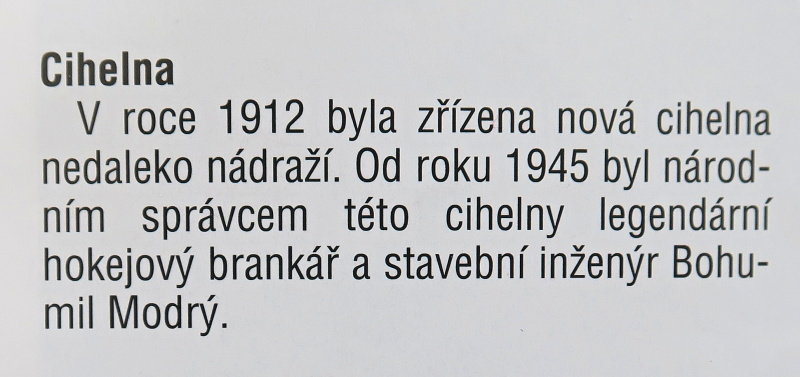
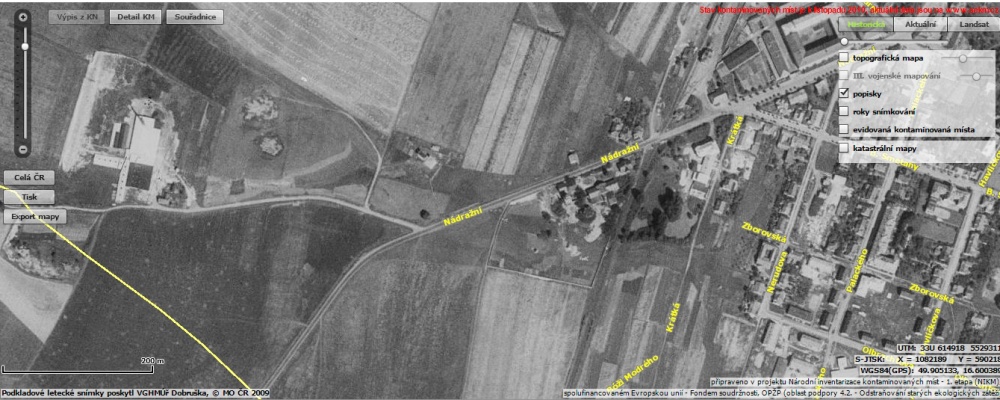
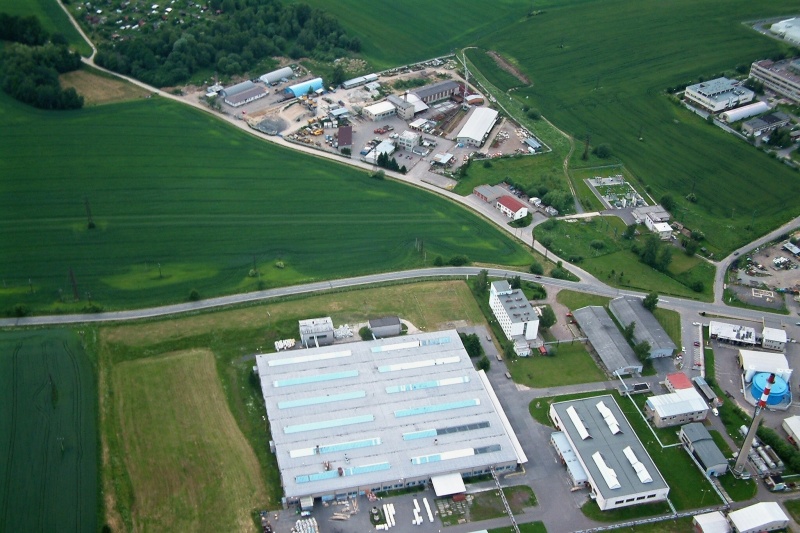
The brickworks under the Zámeček at the site of today's firm GMS and the cottage settlement. In 1912, it was founded by a group of Lanškroun builders led by Richard Krejzl and Josef Ilgner. After 1945, the construction engineer and hockey goaltender Bohumil Modrý became its national administrator. The brickworks ceased to exist in 1978. It was already a modern brickworks where bricks were produced by pressing and cutting with wire. Coding was not required for standard wall bricks.
Furthermore, there were small and temporary brickworks in Lanškroun, producing bricks for only one or two buildings – for example, in 1900 at today's Dvorské Lány. Bricks for the Lanškroun dairy (today the restaurant U Krkovičky) were burned in it.
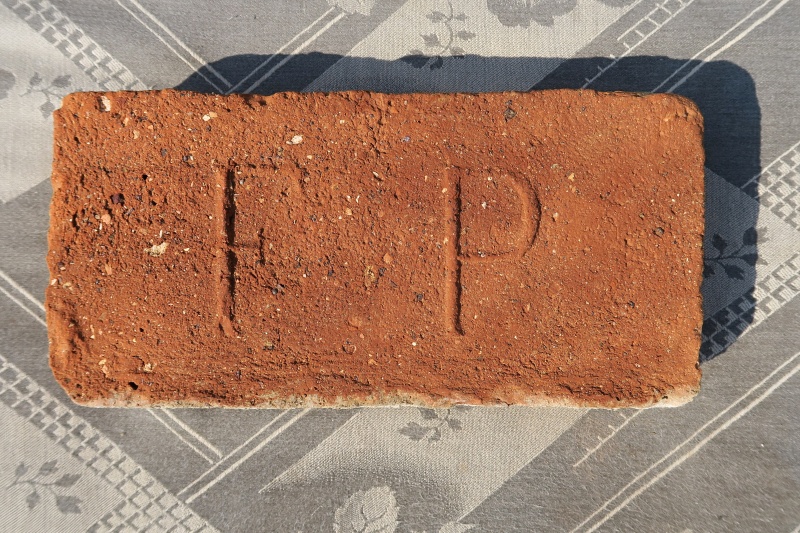
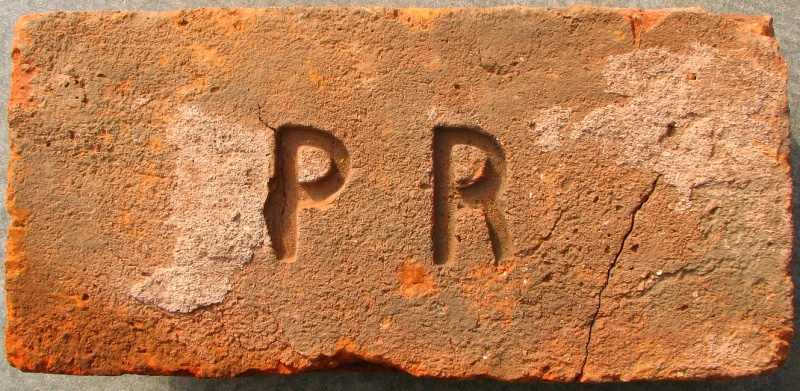
Other brickworks were also in neighboring municipalities. For example, in Luková, the Pfeiffer brickworks with positive codes F P and negative P R. In Čermná, there were the Appl and Balcar brickworks.
Stanislav Vimr
Photo:
1 to 4 - The meeting of people interested in the history of Lanškroun took place on April 4 at the town library.
5 and 6 - Wooden molds. In photo 6, a mold in which bricks with a positive code were created.
7 and 8 - Wooden and metal mold, bricks from them had a negative code.
9 - A brick called Tereziánka from the demolition of a house in Třebovice u Lanškrouna.
10 - The participants of the meeting were given the task to find out from which brickworks the bricks with the code C L come from.
11 - A mention of the Lanškroun brickmaker Gorg Tausche in a document from the Vienna archive.
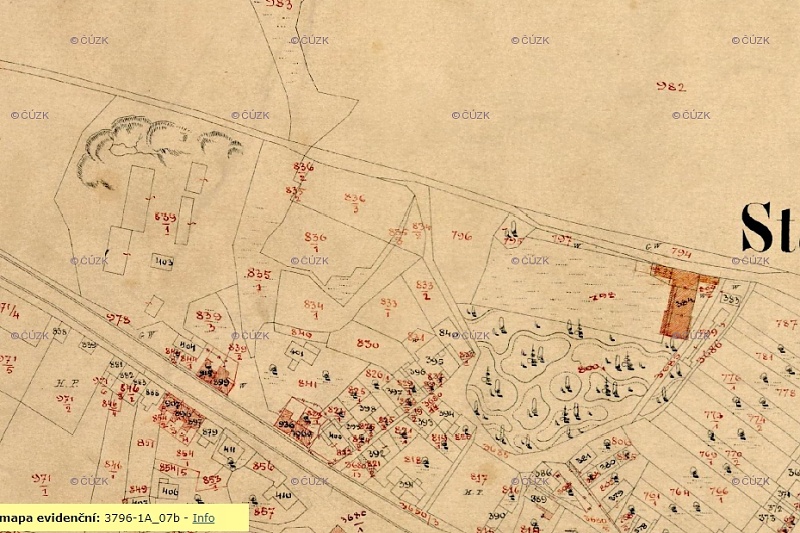
12 - On maps, places where clay was worked used to be marked with arcs. On this map, we see them in the upper left quadrant, where the Městská cihelna was located.
13 - The text from the anthology Lanškrounsko from 2008 describes the place where the Městská cihelna was established.
14 - Different types of fonts on the positive code S L from the Městská cihelna.
15 - In the center of the map, arcs mark the brickworks of Vincenz Nagel at the current bus station.
16 - A sewage clinker brick with the marking of the brickworks of Vincenz Nagel.
17 - A brick with a code probably from the brickworks of Zdenko Woditschka.
18 - A roof tile from the Uničov brickworks of Zdenko Vodička.
19 - An entry in the chronicle of the town of Lanškroun about the fire at the brickworks of Zdenko Woditschka.
20 - The brickworks behind the fruit nurseries.
21 - The brickworks behind the fruit nurseries around 1915 - 1920.
22 - The Müller spouses operated in the brickworks between Albrechtice and Lanškroun, this could be a brick from their production.
23 - Text from the anthology Lanškrounsko from 2008.
24 - A brick from the brickworks of J. Beran, of which we do not know where it was located.
25 - The brickworks of Eduard Beran was located opposite the cemetery.
26 - Code from the brickworks of Eduard Beran.
27 - Text from Lanškrounský zpravodaj, the author is the chronicler Jindřich Chládek.
28 - Text from the anthology Lanškrounsko from 2008.
29 - A brick from the production of the brickworks Dietrich Neugebauer.
30 - Production of the brickworks of Karl Sponner.
31 - Even the brickworks of Karl Sponner did not escape a fire. Text from the chronicle of the town of Lanškroun.
32 and 33 - At the end of Lanškroun in the direction of Sázava, Karl Sponner had a "small cross" built in 1890 in honor of his parents.
34 - The brickworks under the Zámeček, the year the photograph was taken is not known.
35 - Text about the brickworks under the Zámeček from the anthology Lanškrounsko 2008.
36 and 37 - The brickworks under the Zámeček on a map from around 1957 and a shot of the same place in 2009.
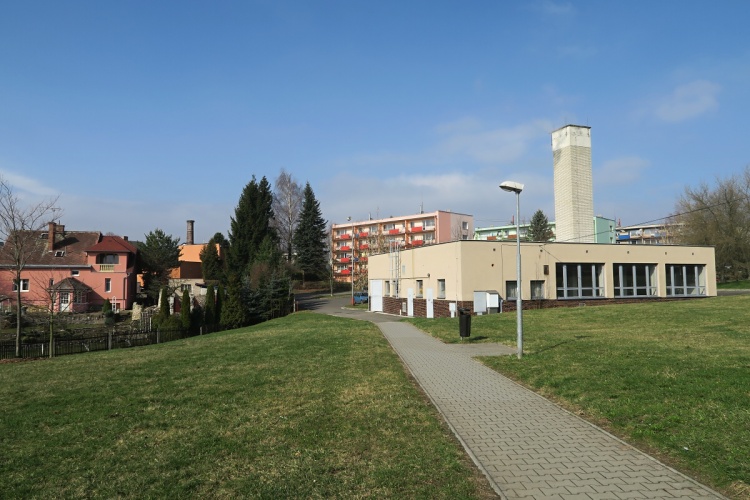
38 - At the site of today's boiler house, a temporary brickworks was set up for the production of bricks during the construction of the dairy (U Krkovičky), on the left in the background the still standing chimney of the dairy (built 1903).
39 and 40 - Bricks from the Pfeiffer brickworks in Luková, F P - Franz Pfeiffer and P R - Pfeiffer Rudolf.
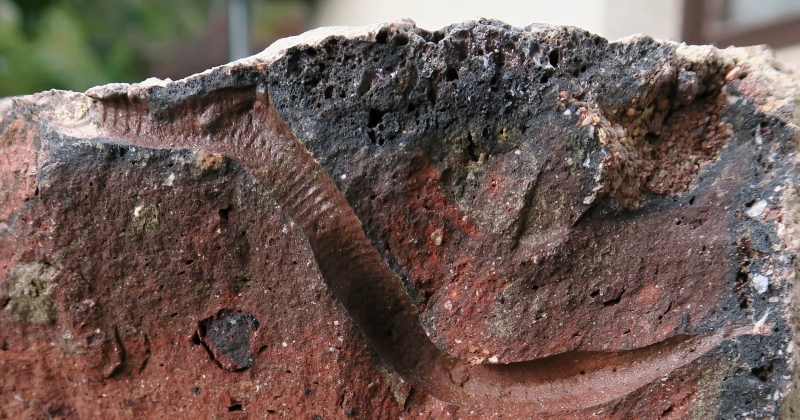
41 - In the bricks, one can occasionally find an imprint of, for example, a cat or dog paw, in this case, the result of a earthworm "cremation" is visible.
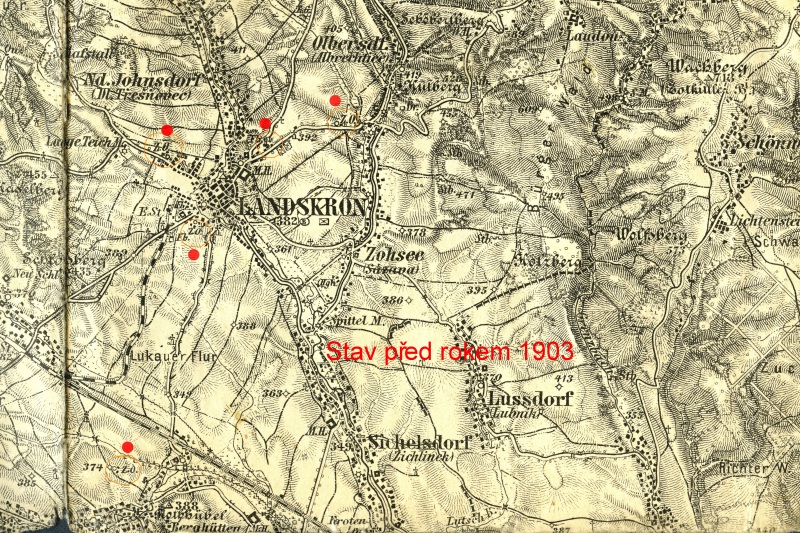
42 - Map showing the location of brickworks in Lanškroun and Luková before 1903.




https://www.lanskrounsko.cz/en/history/views-into-history/11719-cihelny-2#sigProId71c9a7a438