Good afternoon, it is Sunday 19.7.2026, it is the nameday of Čeněk, tommorow is the nameday of Ilja.

facebookinstagramspotify

1700 - The first brickworks are established in the Lanškrounsko region

1700 - The first brickworks are established in the Lanškrounsko region

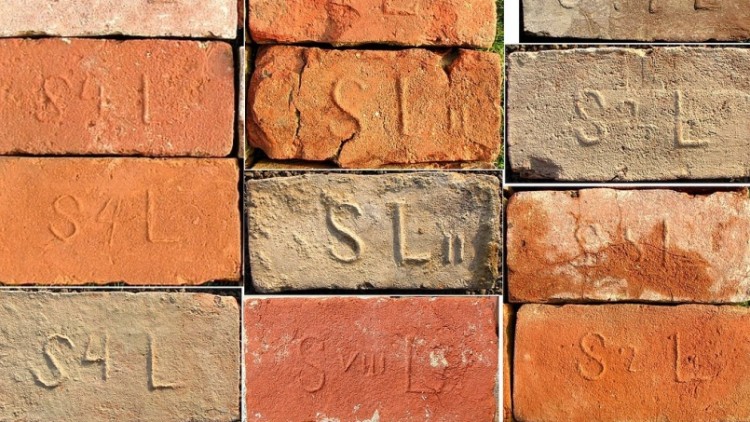
"Air-cooled researcher" – this is how Stanislav Vimr calls himself in connection with searching for the history of brickworks in the Lanškrounsko region. He holds the view that researching in archives and old documents should be left to those more qualified, and he prefers field research and talking to contemporary witnesses.
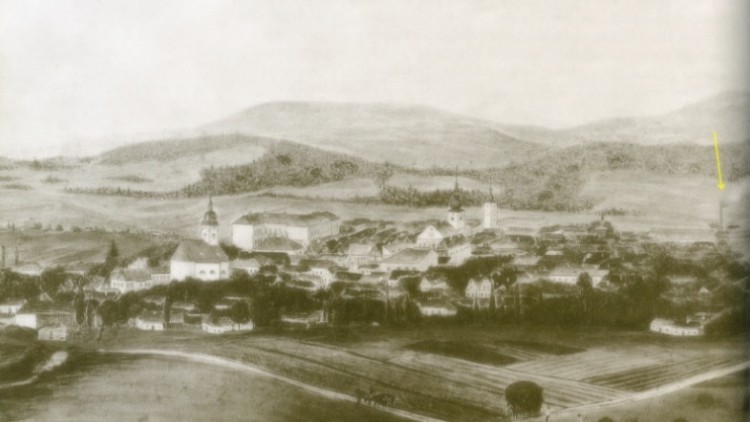
1700 - The theme of old brickworks for the second time

1700 - The theme of old brickworks for the second time

The freely following second meeting on the topic of former brickworks in Lanškrounsko took place on May 2 in the town library. Ing. Stanislav Vimr gave an interesting talk and screened photographs of the local brickworks for nearly three hours. At the same time, he responded to emails received after the previous lecture and answered current questions.

1700 - The Brewery in Lanškroun Had a Longstanding Tradition

1700 - The Brewery in Lanškroun Had a Longstanding Tradition

Sometimes, during conversations with people who remember some of the defunct entities of Lanškroun, my own memories of childhood and youth come to mind. The Lanškroun brewery, in my opinion a significant operation with an interesting history, formed the original history of Lanškroun, which is significantly linked with German culture and architecture.

1787 - In Lanškroun we have many beautifully renovated houses. One of them is Piano

1787 - In Lanškroun we have many beautifully renovated houses. One of them is Piano

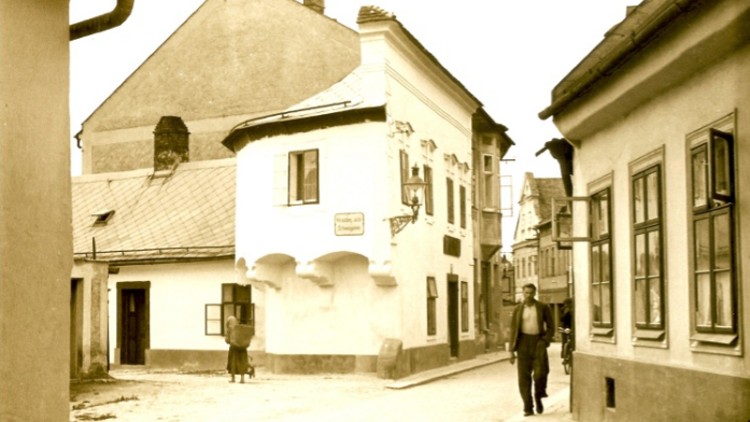
On the corner of Hradební and 28. října (formerly Panská) streets, there is a one-story house of an unusual shape. It resembles a piano. This is the origin of the name of the building, which stands on the site of the former upper town gate, which was demolished in 1791. The valuable Classicist burgher house, built sometime between 1781 (purchase of the land) and 1787 (the house was already registered in the Josephinian Land Registry), has been a protected cultural monument since 1958.

1832 - Zemská koruna, U Zlaté koruny and U zemské brány

1832 - Zemská koruna, U Zlaté koruny and U zemské brány

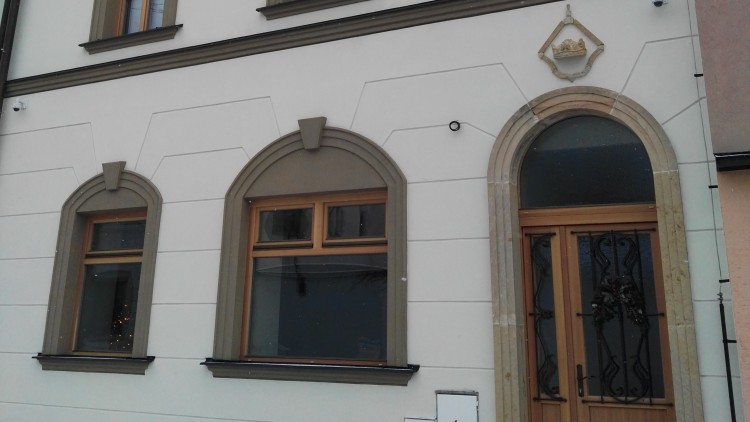
The photograph shows a detail of the crown above the entrance of house no. 28 on 28. října street. This is the former hotel Zemská koruna; documentation for the property sometimes also mentions the name U Zlaté koruny or U zemské brány. The building has now been freshly renovated, and the appearance of its facade slightly returns to its look from the 1930s.

1866 – Cavalry Skirmish at Rudoltice

1866 – Cavalry Skirmish at Rudoltice

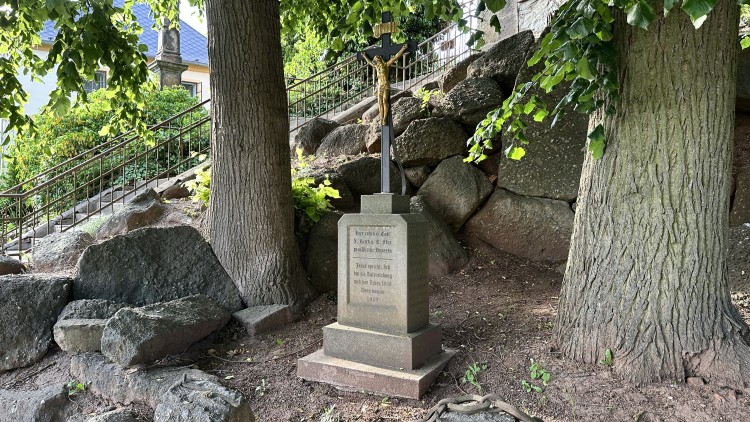
The Austro-Prussian War, which swept through the Czech lands in the summer of 1866, significantly affected many municipalities in Northern and Eastern Bohemia. A large number of monuments and standardized crosses, erected as a reaction to these events, can be found to this day. Among the forgotten and partially damaged ones is the memorial cross on a sandstone pedestal in the village of Rudoltice. Let us follow its turbulent history and the reason for its construction in the following lines. With a brief outline of the war situation at the time, we will find ourselves in the period after the Battle of Königgrätz and introduce several minor cavalry skirmishes on the Czech-Moravian border.

1869 - Few deserve as much respect and esteem as volunteer firefighters

1869 - Few deserve as much respect and esteem as volunteer firefighters

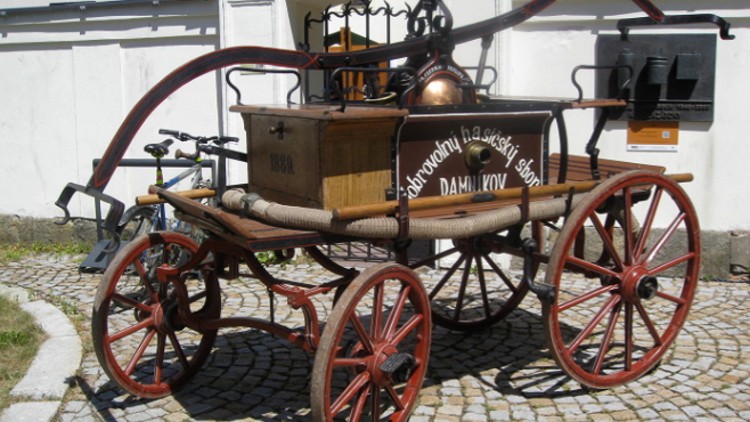
On 29 June 2019, after midday in thirty-degree heat, a procession of firefighters in ceremonial uniforms set off from the HZS building, led by the Dechová hudba Pavla Vašíčka z Dolní Čermné. The destination was Jiráskovo náměstí, where celebrations marking 150 years since the founding of the corps in Lanškroun were being held. The route of the procession was planned to pass through all the locations where the firefighters had been based in the past.

1911 – The Stork (Čáp) belongs to the water, or the first years of the Lanškroun swimming pool

1911 – The Stork (Čáp) belongs to the water, or the first years of the Lanškroun swimming pool

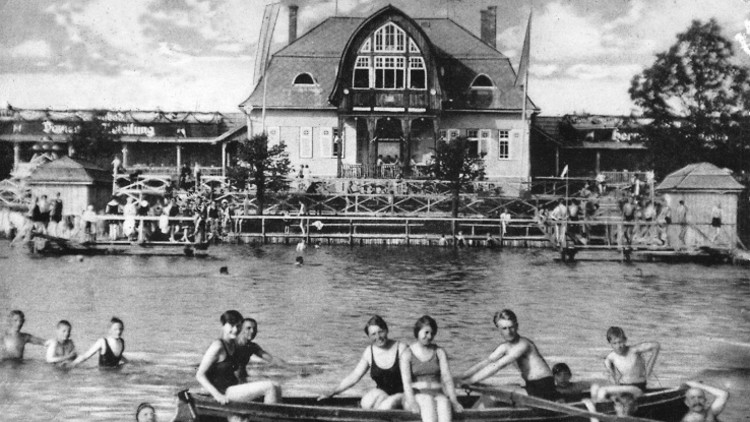
In 1911, Jan Müller built a new swimming pool near the pond dam with wooden changing rooms, deckchairs, and a boat rental service. The swimming pool prospered, and so in 1927, it was modernized. A one-story brick restaurant was built with wooden changing rooms on the sides, a relaxation pavilion stood in the middle of the pond, entrance piers led into the water, etc. The entire complex was named Tereziiny lázně in honor of Müller's wife.

1913 - From Dolní Čermná to Arizona and back: The story of the Klekar family

1913 - From Dolní Čermná to Arizona and back: The story of the Klekar family

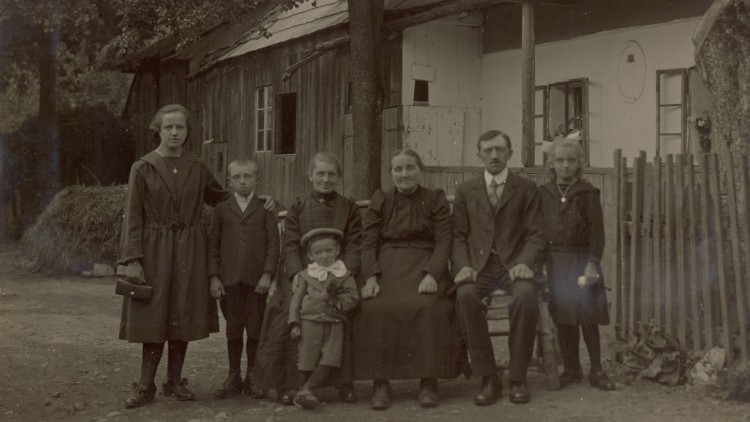
The family of Vincenc and Anna Klekar from Dolní Čermná No. 259 was dogged by tragedy long before the war. Of their ten children, only three lived to adulthood: the eldest son Vincenc, the middle son Jan, and the youngest daughter Emílie (my dear great-grandmother). Father Vincenc died on July 4, 1912, which deeply affected the family’s stability. While the eldest, Vincenc, remained at home to take over the role of head of the family and take care of the farm, Jan decided to seek his future overseas.

1914 - Lanškrounské kino začínalo v němčině

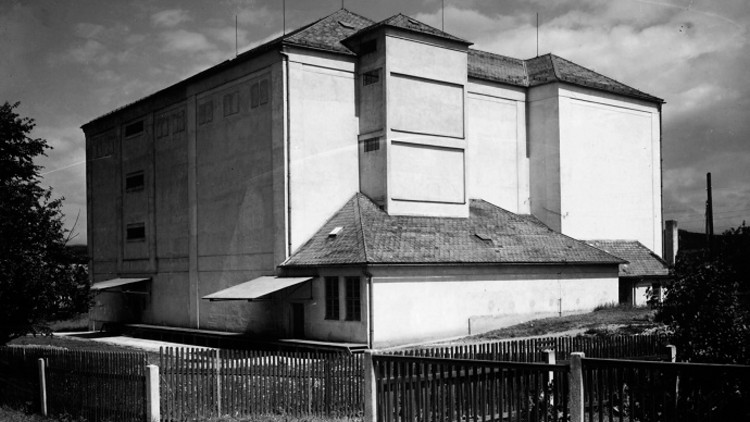
Budova lanškrounského kina na ulici T. G. Masaryka (do války se jmenovala Fiebigstrasse, čili Dobytčí cesta) slouží k promítání filmů už od roku 1914, kdy ji nechal postavit liberecký podnikatel Antonín Sachers. Nacházelo se zde 408 míst, z nichž 84 bylo na balkoně. Koncesi na provozováni kina obdrželo město Lanškroun v březnu 1914, pronájem koncese byl sjednán Karlu Demuthovi.

1920 - Mrazírny byly svého času největším skladem vajec ve střední Evropě

K napsání článku mě vedla vzpomínka na mého dědečka Josefa Macka, bývalého ředitele Mrazíren Lanškroun státního podniku, ale i připomenutí významného lanškrounského subjektu, který zaměstnával zdejší obyvatele již v předválečném období až po část nových porevolučních časů po roce 1989.

1920 - Století na ulici B. Smetany

Přiložené historické fotografii z první třetiny 20. století dominuje velká secesní budova, která byla postavena v roce 1910. Do budovy byla po jejím dokončení přemístěna tkalcovská škola, už v roce 1919 byla v části budovy zřízena česká obecná škola, o dva roky později již česká obecná a občanská škola zabírala celou budovu.

1924 - Požár v cihelně „Pod Zámečkem“ v Lanškrouně

Během měsíce března jsem plánoval třetí povídání o cihličkách. Virus byl proti. Tak jsem se rozhodl, že některé příspěvky napíši nyní na stránky Lanškrounsko.

Při návštěvě mého učitele jsem vzpomenul cihlářského mistra pana Josefa Hübnera. Hostitelka se hned rozzářila. „To byl můj strýc!

1959 - Cyklistika k Lanškrounu patří

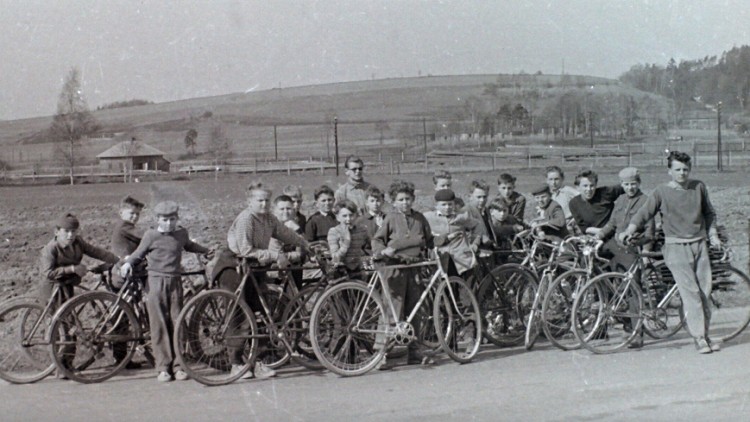
Cyklistika k Lanškrounu neodmyslitelně patří. Odkdy se ale datují její počátky? O tom jsme si povídali s Jiřím Vodičkou, který cyklistický oddíl v Lanškrouně v roce 1959 zakládal.

5 korun na hodinu. Dokud byl sníh, lyžovalo se i v Dolní Čermné

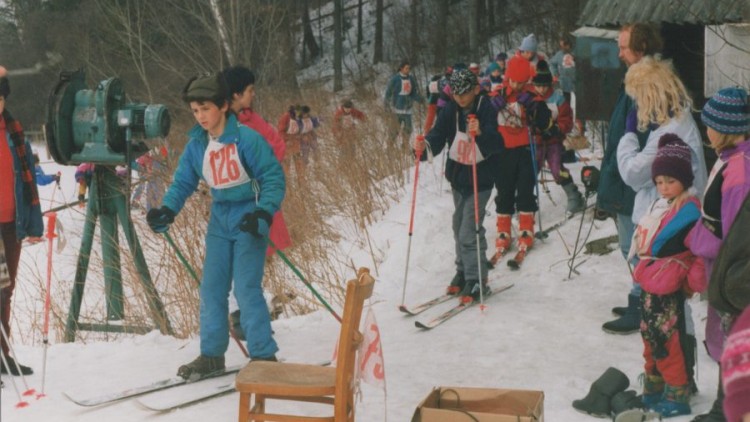
1982 - 5 korun za hodinu. Dokud byl sníh, lyžovalo se i v Dolní Čermné

Obec Dolní Čermná leží v poměrně rovinatém terénu asi 8 km severně od Lanškrouna. Nejvyšším bodem v katastru obce je Červený vrch (528 m n. m.), a právě na jeho východním svahu byl před 40 lety uveden do provozu lyžařský vlek.