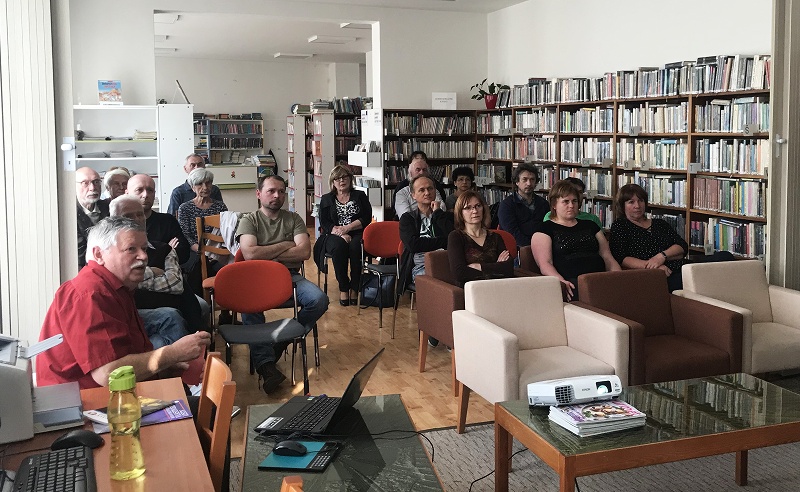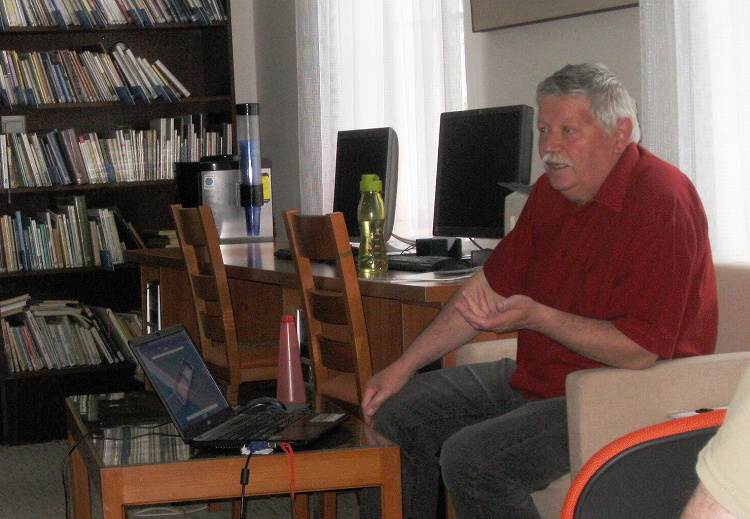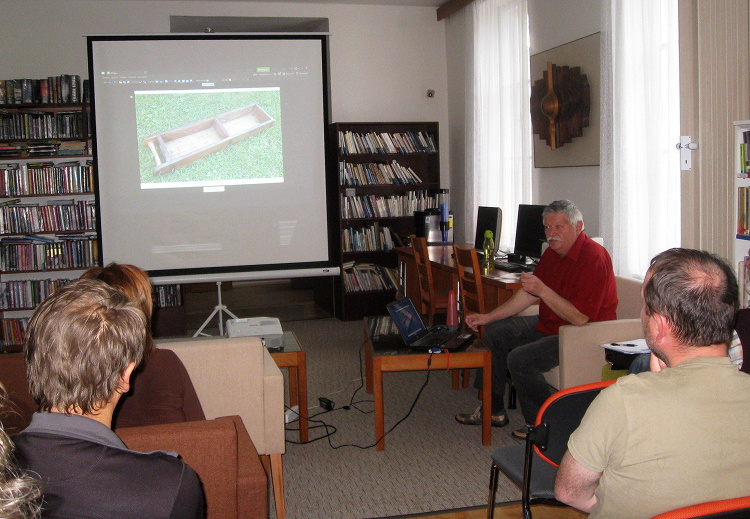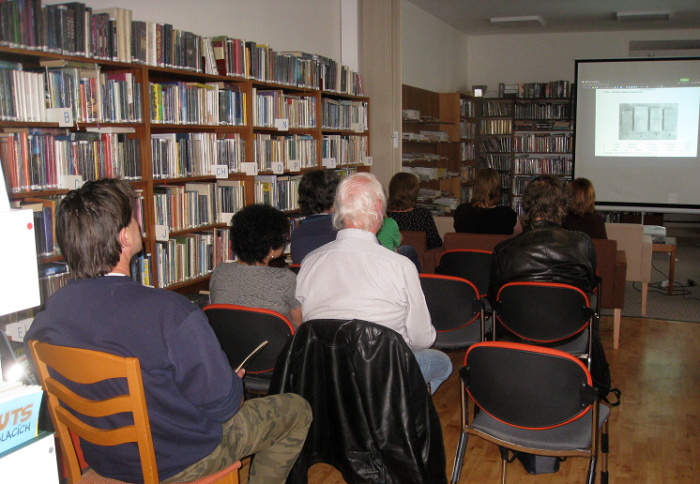
The freely following second meeting on the topic of former brickworks in Lanškrounsko took place on May 2 in the town library. Ing. Stanislav Vimr gave an interesting talk and screened photographs of the local brickworks for nearly three hours. At the same time, he responded to emails received after the previous lecture and answered current questions.
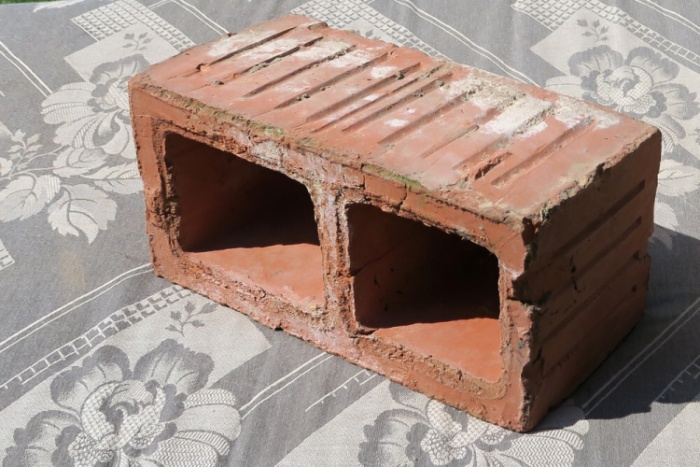
This time, he dealt in more detail with brick production, mentioning for example the JESTAV brick, which in its dimensions was equal to two bricks and possessed very good insulating properties. For the production of this brick, a special machine manufactured by the company K. & R. Ježek in Blansko was required.
Specifically, he explained how the firing kilns operated. The cycle of firing bricks in a rotary kiln with twelve chambers is accurately described in image No. 9.
In connection with researching the history of the brickworks, Mr. Vimr met with some eyewitnesses who worked in the brickyard under Zámeček, recalling Ervín Hanyš, Rudolf Skácelík, František Mareš, and Zdenek Čmelík.
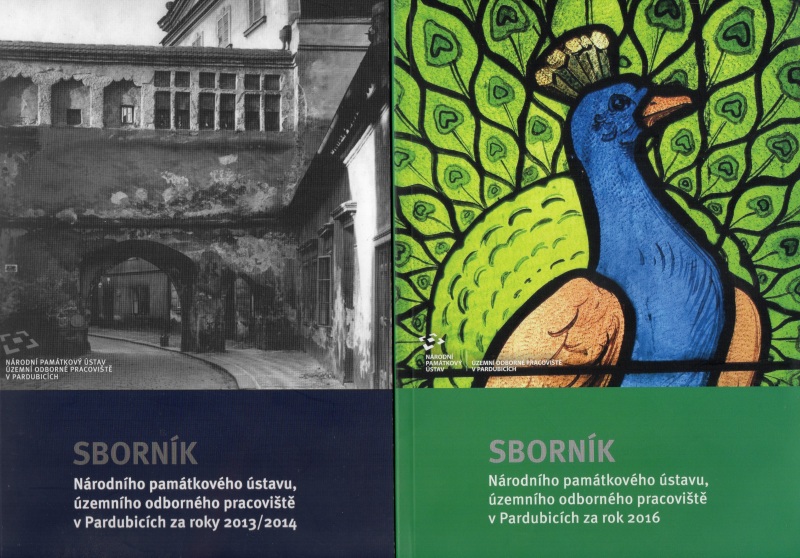
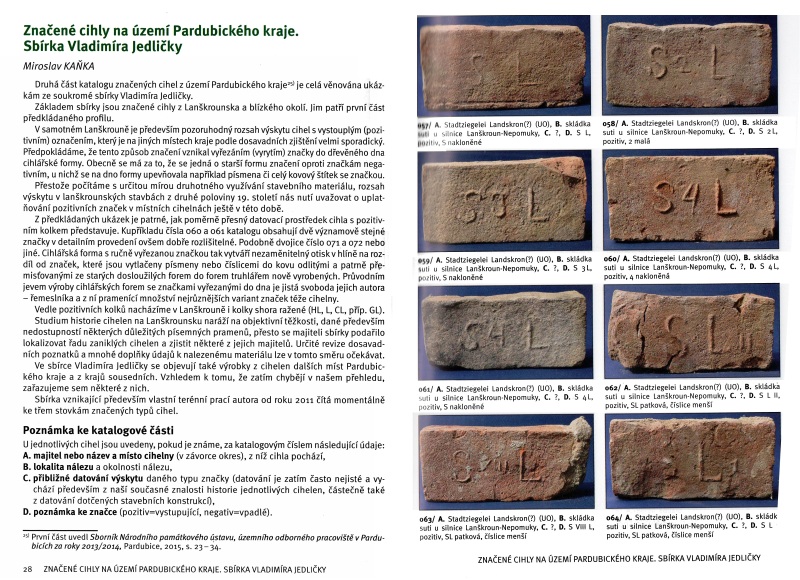
There are still plenty of question marks surrounding the brickworks of Lanškrounsko. Directly in Lanškroun, however, there is probably no one (Stanislav Vimr is from Luková) who would systematically study their history and manage to find answers. From time to time, though, we can come across some information about "our" brickworks in the press, for instance in the Sborník Národního památkového ústavu Pardubice, to which Vladimír Jedlička from Jakubovice contributes. The Sborník presented an article with samples of Stadtziegelei Landskroun* bricks from his collection in 2016.
*Městská cihelna, which stood at the site of the current football field.
Text: Marie Hrynečková
Photo: author, Radka Halberštátová, Stanislav Vimr, Vladimír Jedlička
Photo:
1 to 4 - The second discussion about brickworks, lecture by Ing. Stanislav Vimr.
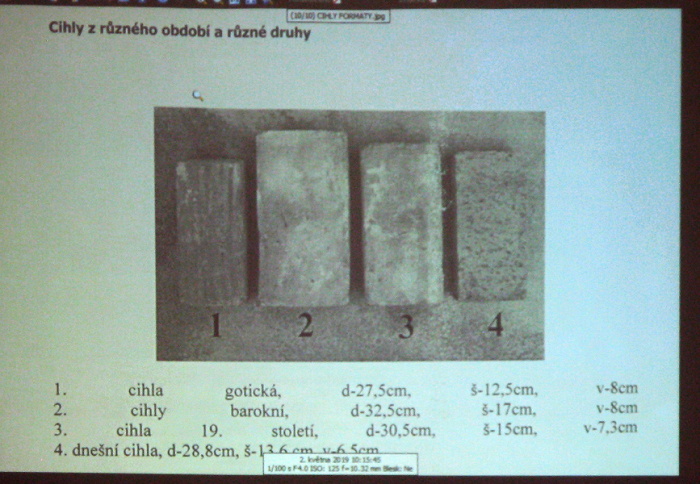
5 - The size of bricks changed over time. Today's brick measures 28.8 x 13.6 x 6.5 cm.
6 to 8 - The JESTAV brick and an advertising leaflet for it.
9 - The cycle of firing in the kiln.
10 - A brick in the kiln.
11 - Exhaust to the chimney.
12 - Heating flue.
13 - Drawing of a typical brickworks.
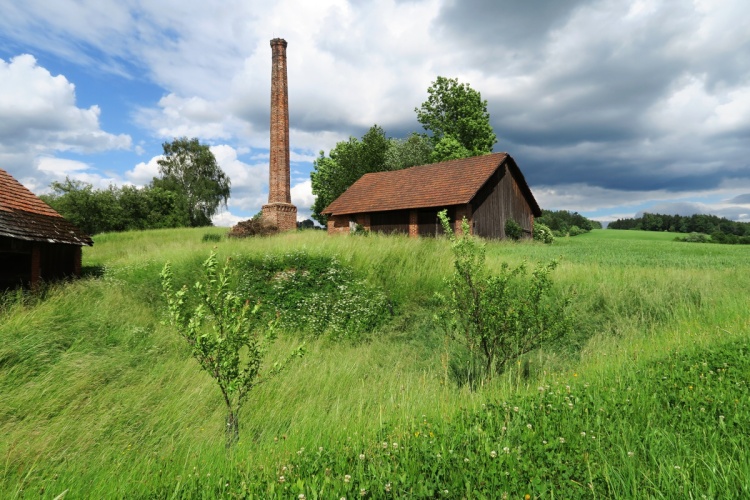
14 to 17 - Vavruškova cihelna in Malá Lhota near Potštejn and some tools used there. Fireclay bricks, e.g., for the lining of kilns, stoves, etc., were produced in Vavruškova cihelna from fireclay earth, not from clay!
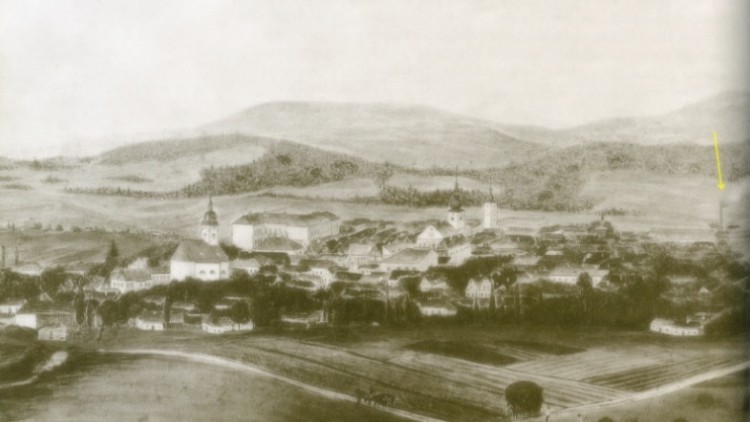
18 - The arrow marks the chimney of the brickyard in Lukové. This is the only known picture of the brickyard !!!
19 - Lanškrounská cihelna in a painting by Johann Smutný.
20 - Cihelna in Chotěboř.
21 - Stamp of Zdenko Vodička on the plans of house No. 31 on the corner of Smetanovy street. Zdenko Vodička from Uničov was a lessee of Náglova cihelna (today's bus station) and acted as a developer, meaning he built and sold the houses.
22 - Title pages of the Sborníky Národního památkového ústavu workplace in Pardubice, in which contributions by Vladimír Jedlička from Jakubovic about local brickworks can be found.
23 - An article about the extensive collection of bricks (about 300 pcs) by Vladimír Jedlička, which also includes bricks from our area.