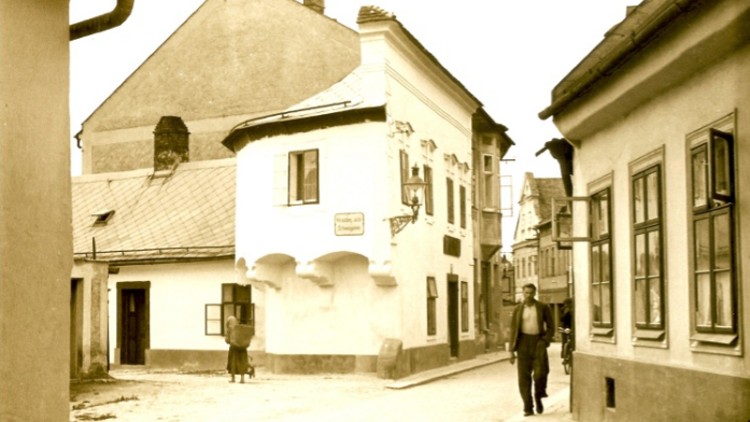
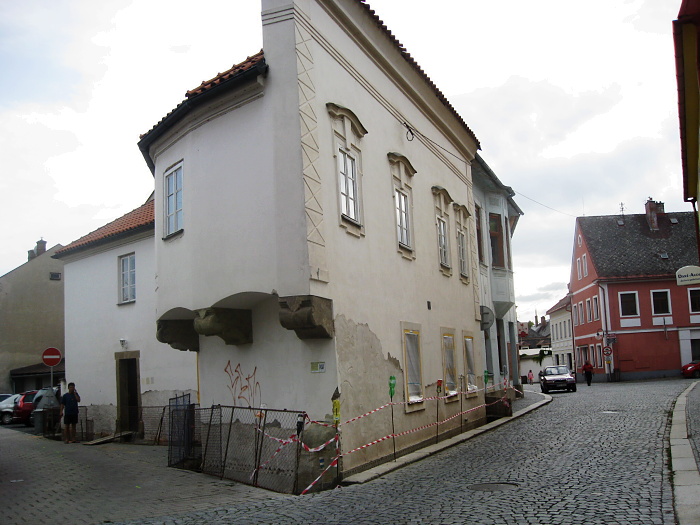
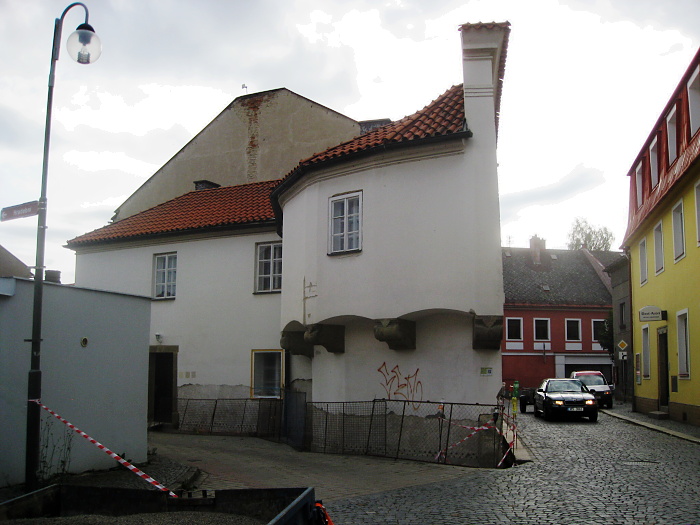
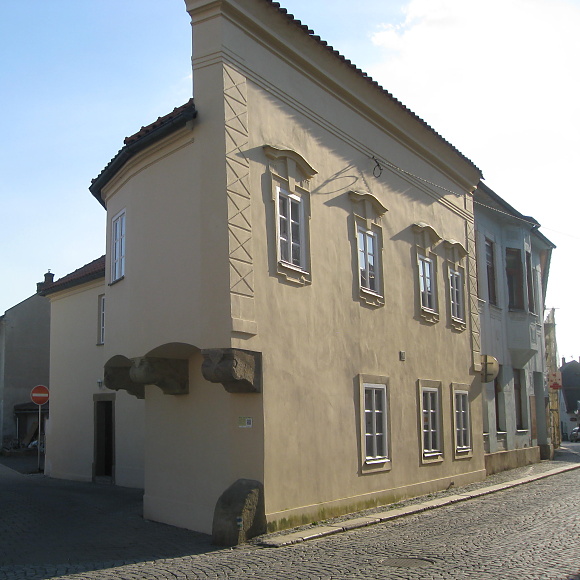
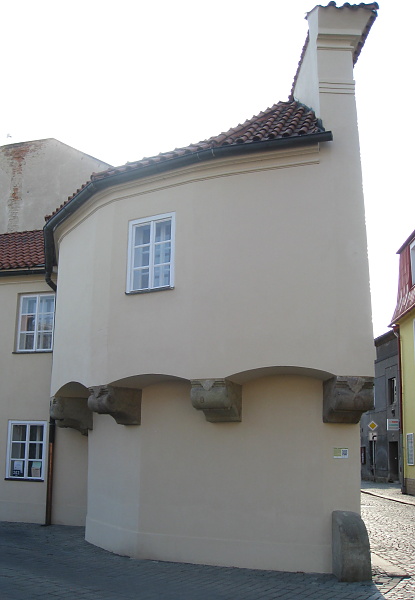
On the corner of Hradební and 28. října (formerly Panská) streets, there is a one-story house of an unusual shape. It resembles a piano. This is the origin of the name of the building, which stands on the site of the former upper town gate, which was demolished in 1791. The valuable Classicist burgher house, built sometime between 1781 (purchase of the land) and 1787 (the house was already registered in the Josephinian Land Registry), has been a protected cultural monument since 1958.
The building, constructed of mixed masonry and plastered with lime plaster, is an example of an original late Baroque burgher house from the last quarter of the 18th century, significantly structurally modified in the Classicist spirit at the beginning of the second quarter of the 19th century.
A total reconstruction took place in the 1900s.
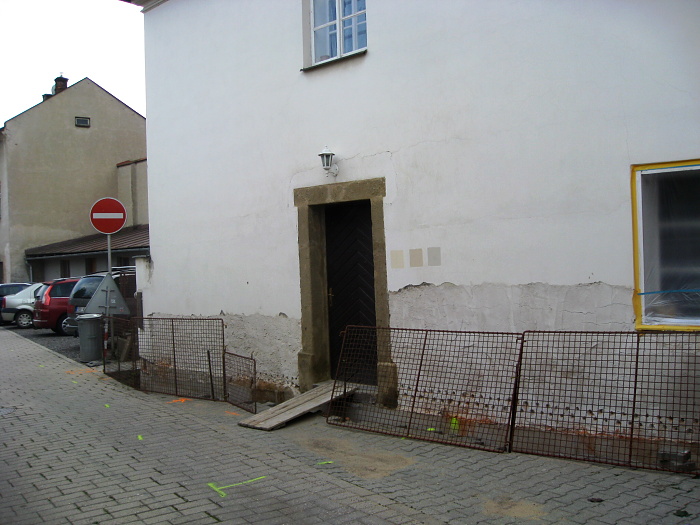
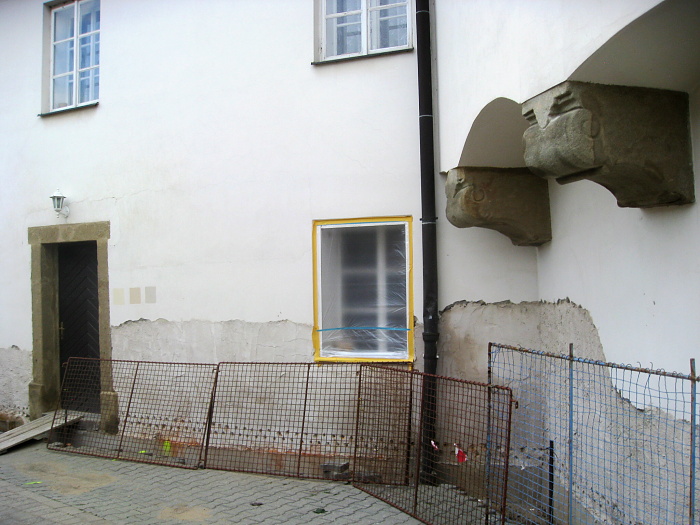
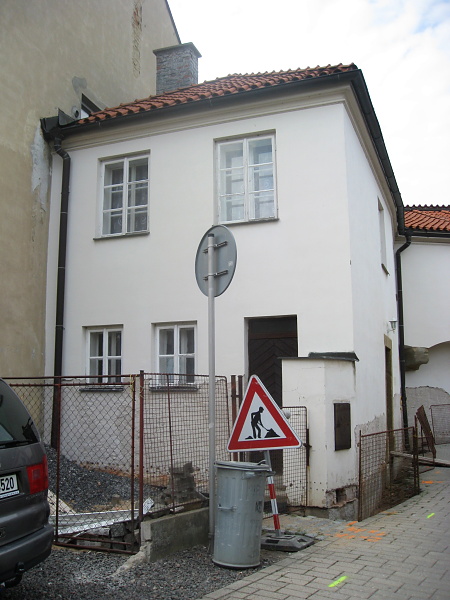
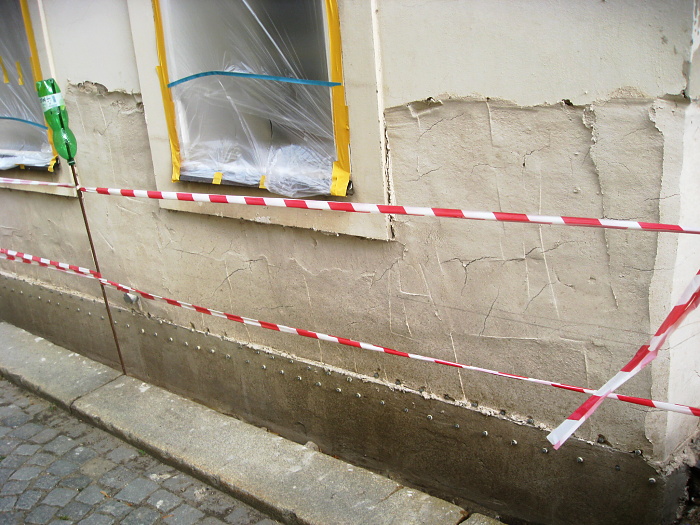
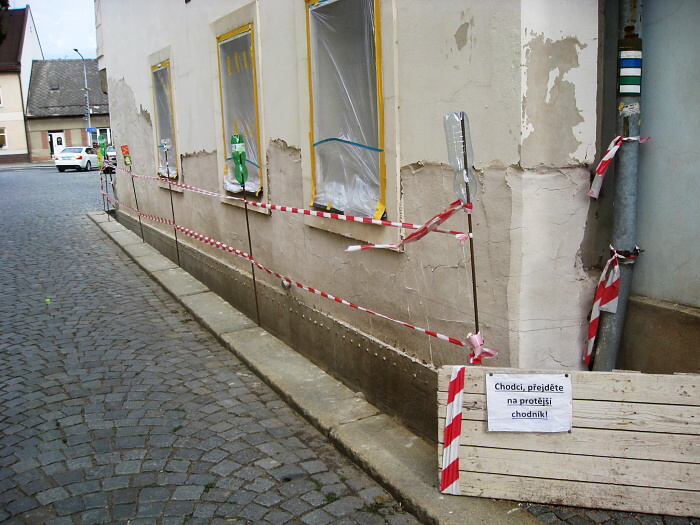
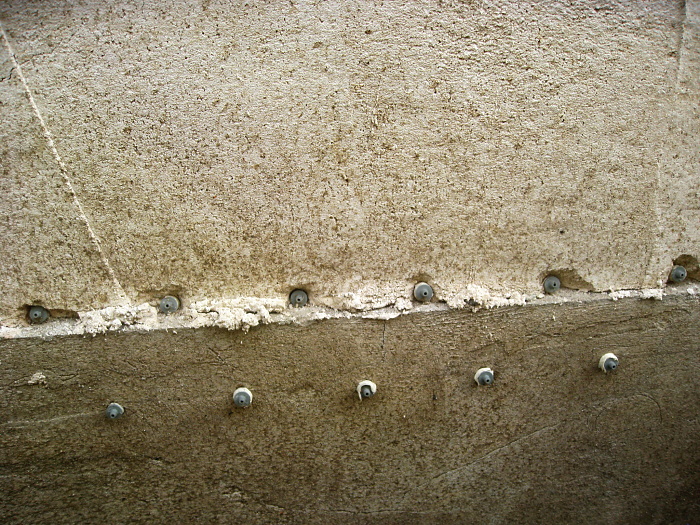
In 2018, remediation of damp masonry and repair of plasters took place on the house. For this reason, the underground part of the perimeter masonry had to be excavated, and the damp areas were treated with a so-called "sacrificial" plaster. This involves rendering the lower parts with a temporary plaster that absorbs salts from the masonry. After some time, it was chipped off and replaced with the final plaster.
A so-called waterproofing injection of the masonry was also carried out, where a solution was injected into the wall at regular intervals, creating a kind of gel preventing rising damp.
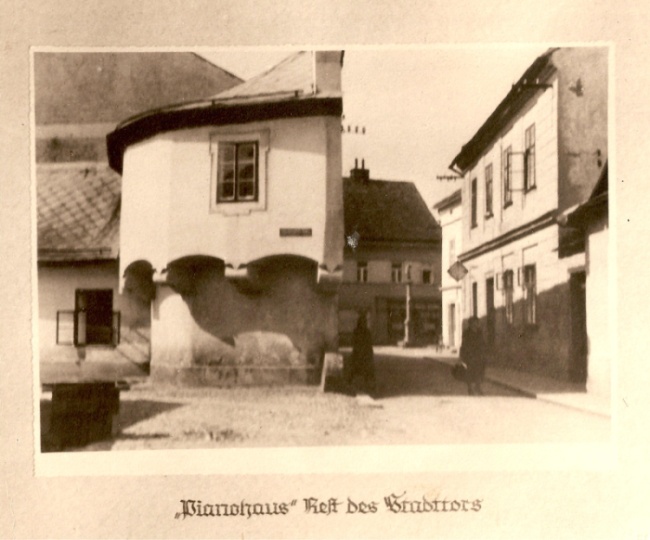
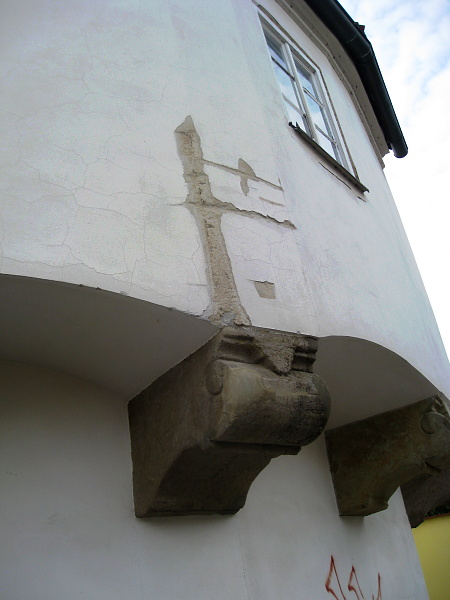
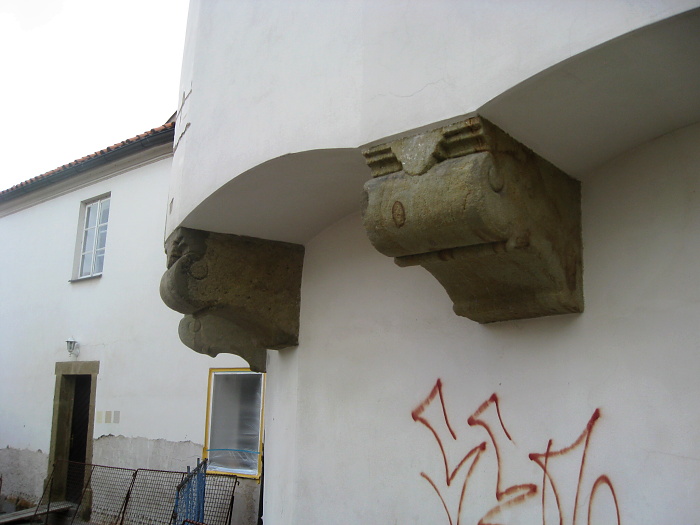
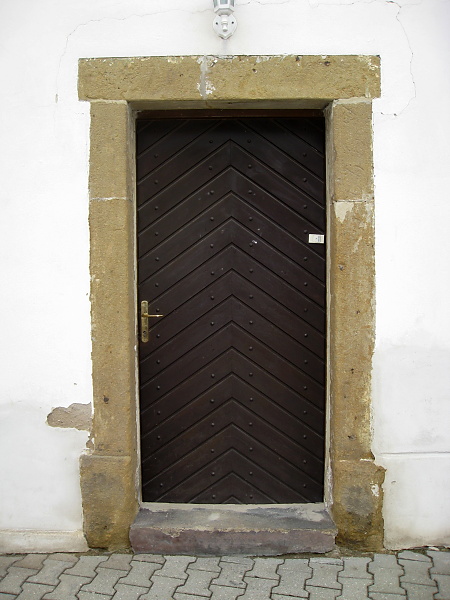
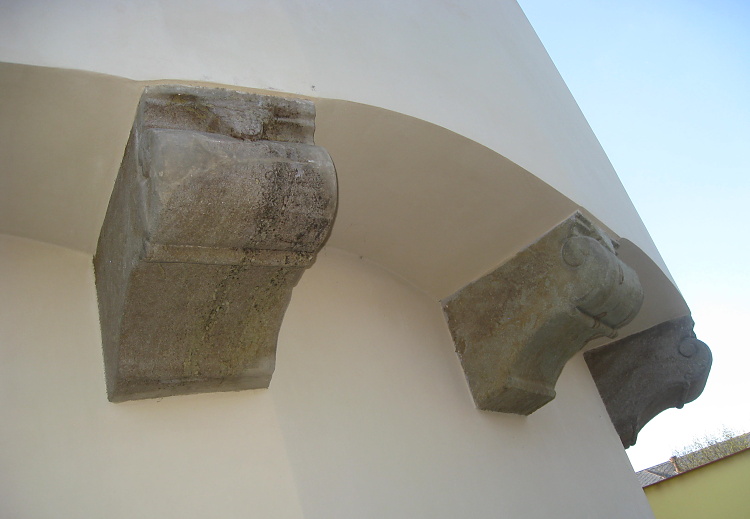
An expert restored the stone elements, i.e., five volute, S-shaped carved corbels, as well as the sandstone door trim. During these works, he found out that in the past, these sandstone elements had been painted many times with various colors, specifically mentioning white and green shades, for example. The fact that the sandstone corbels were painted is also clearly visible, for example, in a photograph of the house from 1936 (see photo no. 2).
It is a pity that Piano, and especially its most interesting part, is often damaged by large cars, which ruthlessly destroy both the plaster and the rare stone elements.
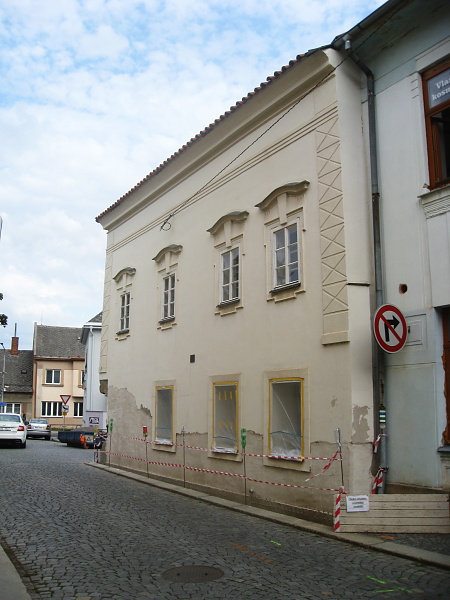
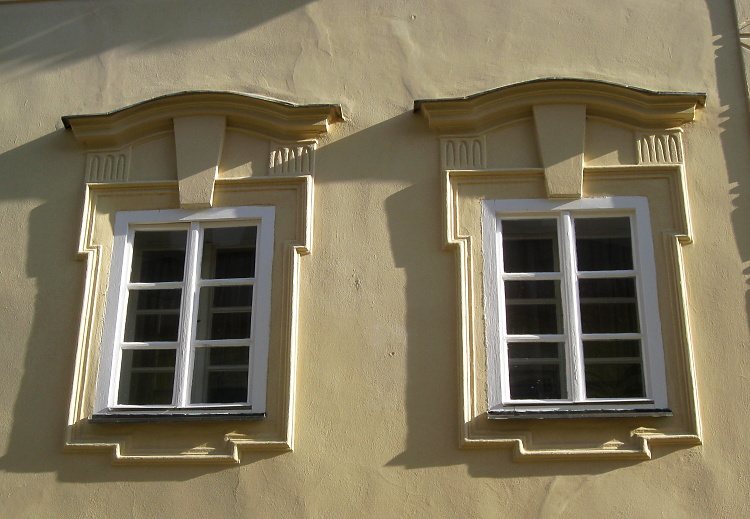
The house is also interestingly decorated on the facade from 28. října street, where on the edges of the 1st floor facade there is rustication diagonally divided in the manner of monument sgraffito. In addition, there are molded frames around the windows and cornice extensions above them.
The repair of the Piano house was carried out by the Prague company IPESIS, the price including VAT reached 1.4 million CZK.
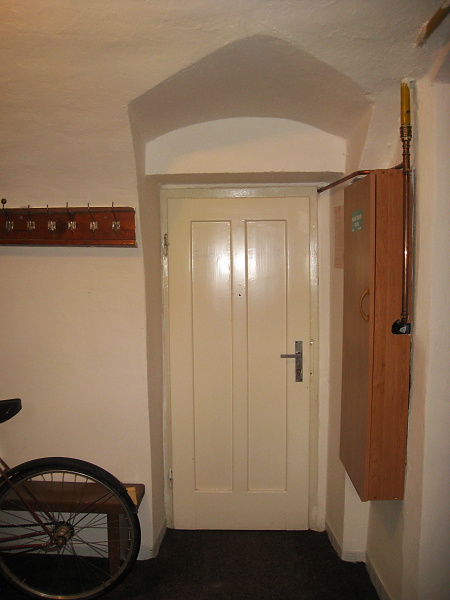
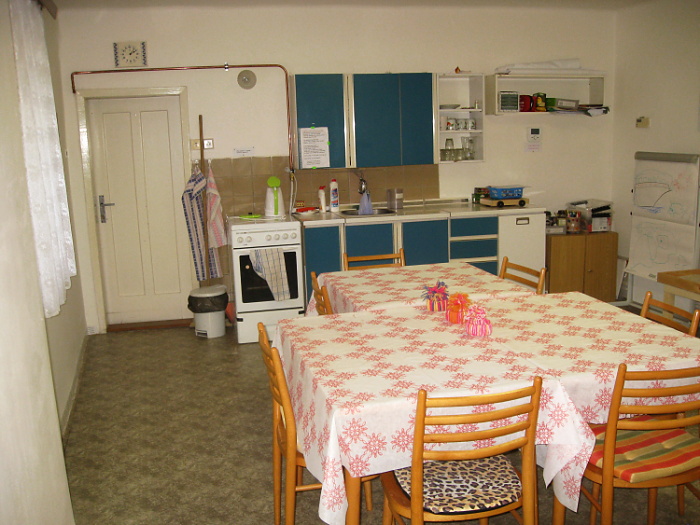
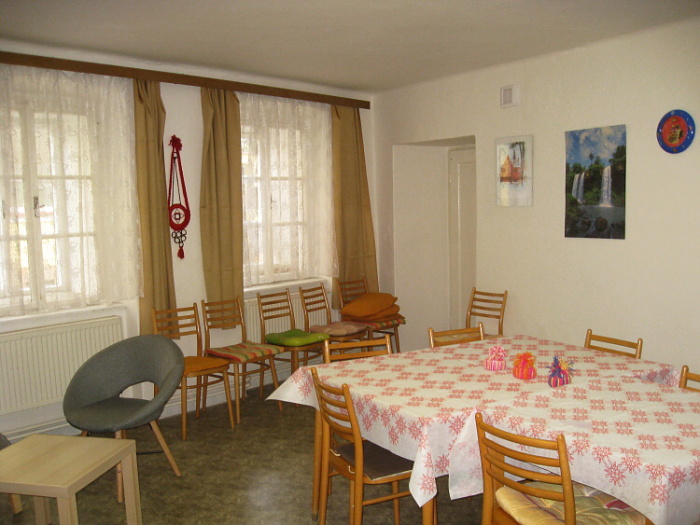
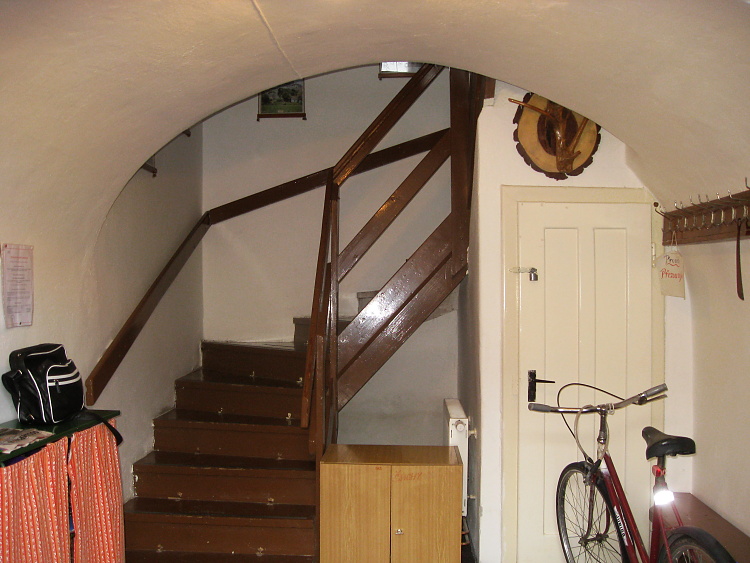
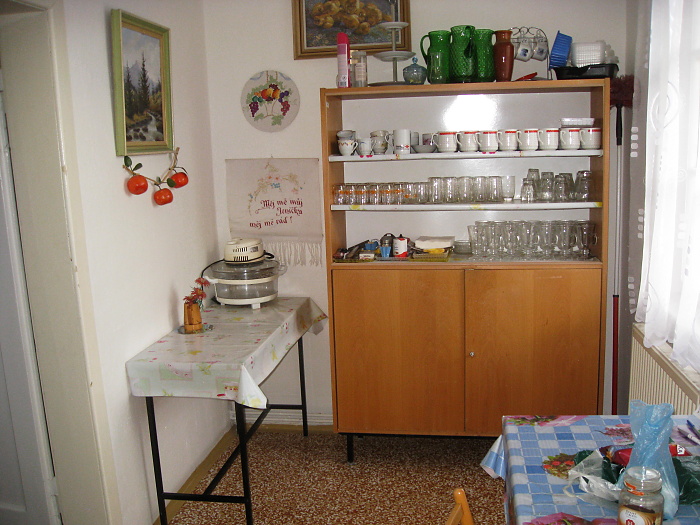
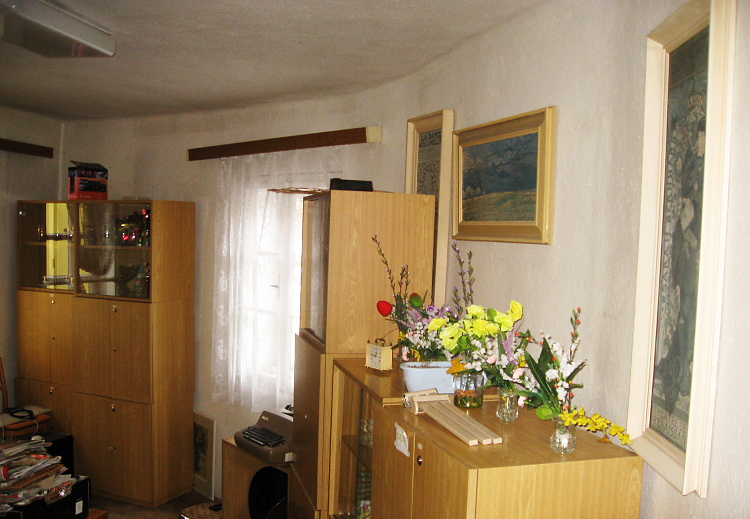
The house is owned by Město Lanškroun. It is used for their activities and joint meetings mainly by seniors and some associations. The equipment and interior decoration of the house also correspond to this purpose. Original vaults are preserved on the ground floor. In the architecturally most interesting room with an arched wall on the 1st floor, there is a storeroom and an archive.
Marie Hrynečková
Photo:
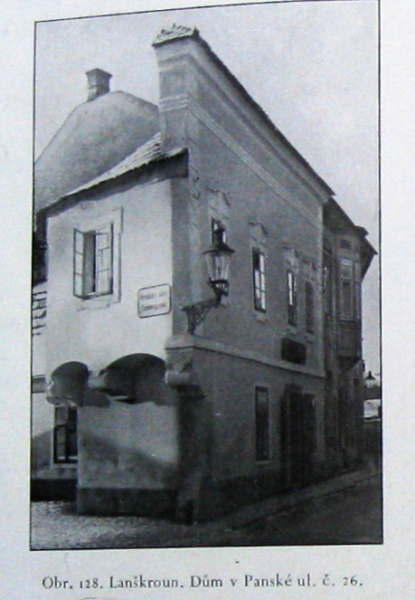
1 - Photo of the Piano house sometime before 1935 published in the book Soupis památek historických a uměleckých v okresu Lanškrounském by authors J. Cibulka and J. Sokol.
2 - A picture from 1936 by author Josef Böhm. Photo archive of Městské muzeum Lanškroun.
3 - House no. 202 in 1940, photo by Suchomel. Photo archive of Městské muzeum Lanškroun.
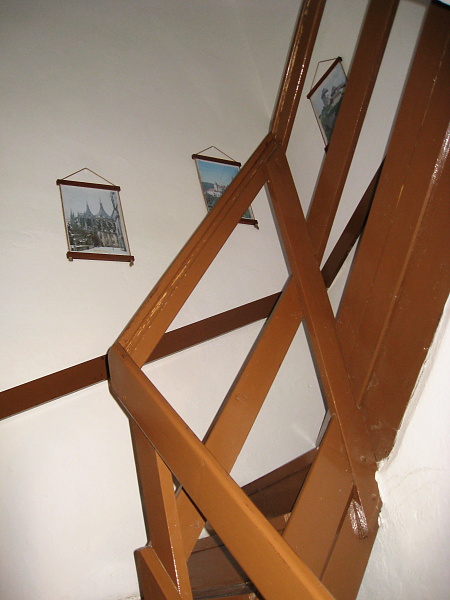
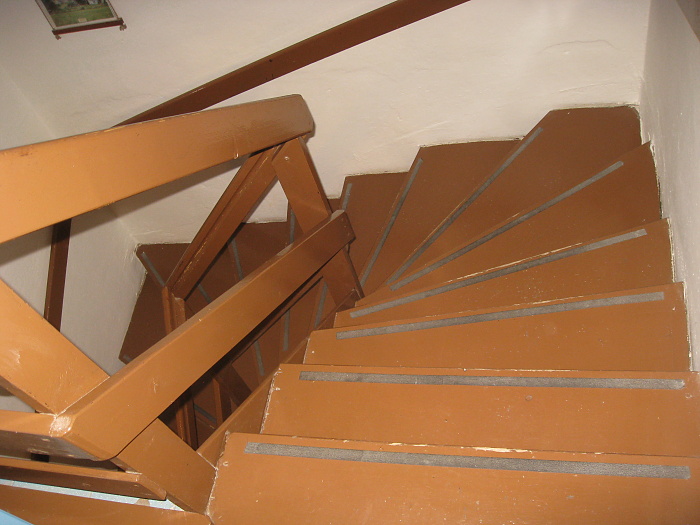
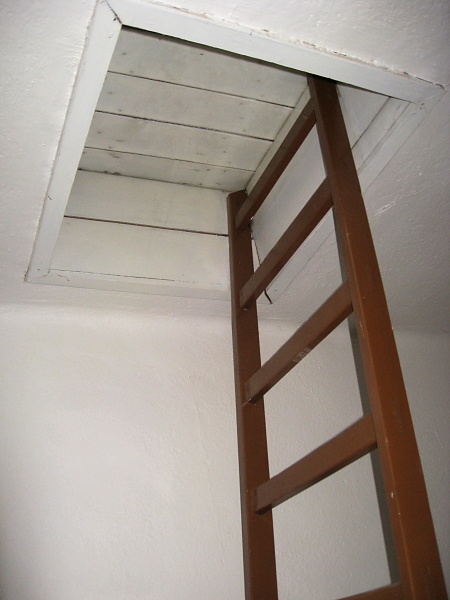
4 to 14 - The Piano house in 2018, when it was undergoing reconstruction.

https://www.lanskrounsko.cz/en/history/views-into-history/11730-oprava-piana-3#sigProId66c360828a