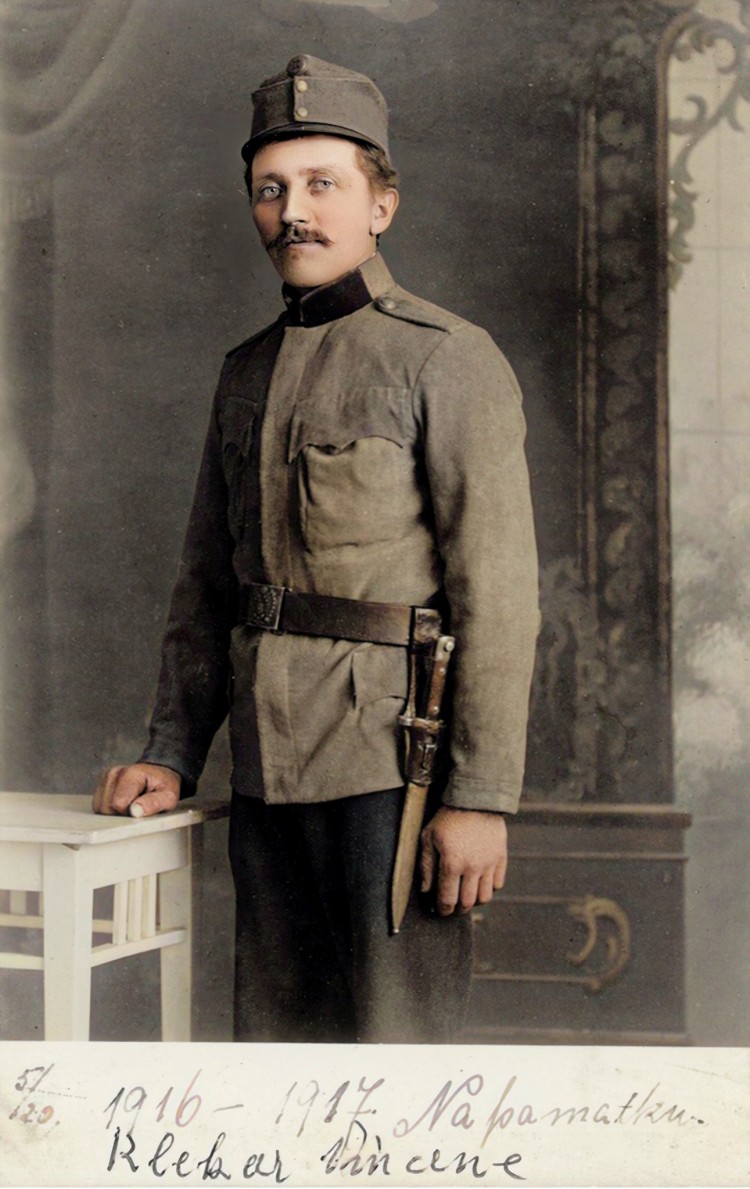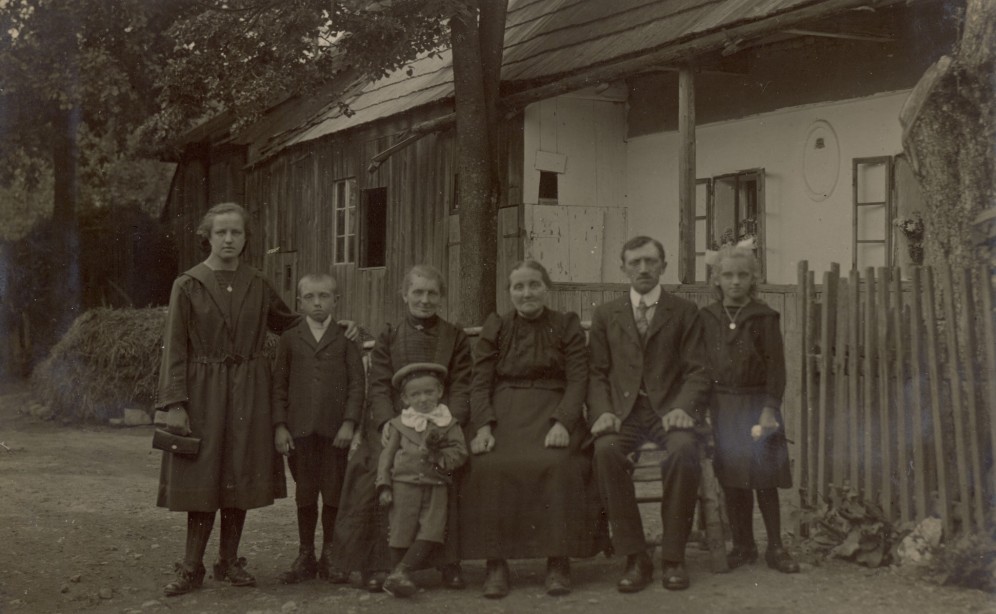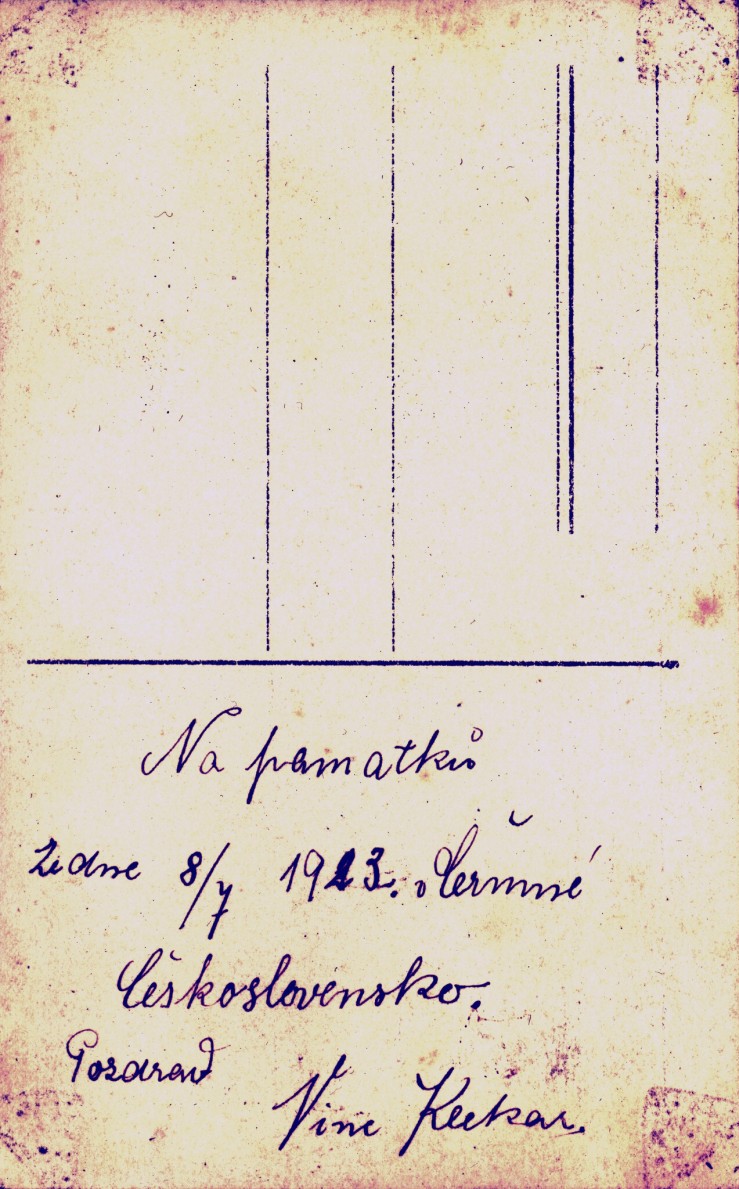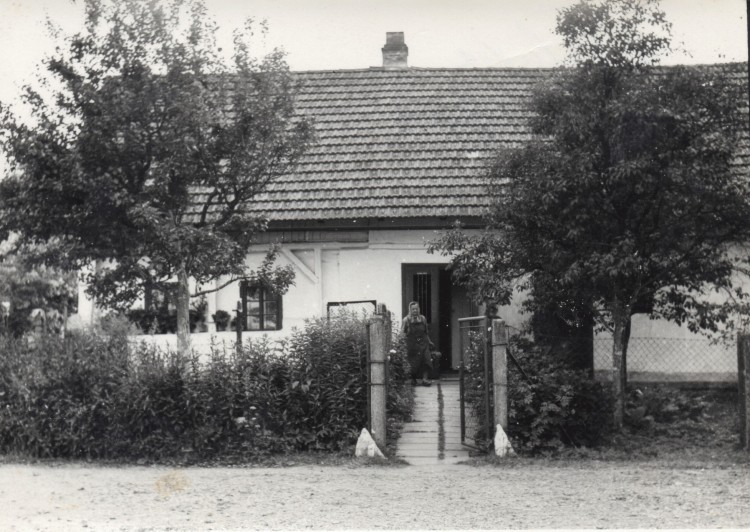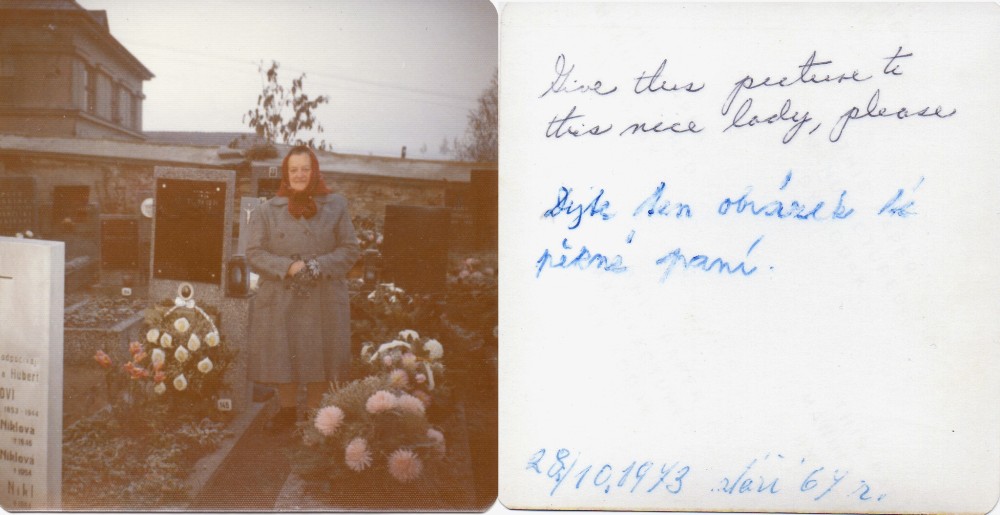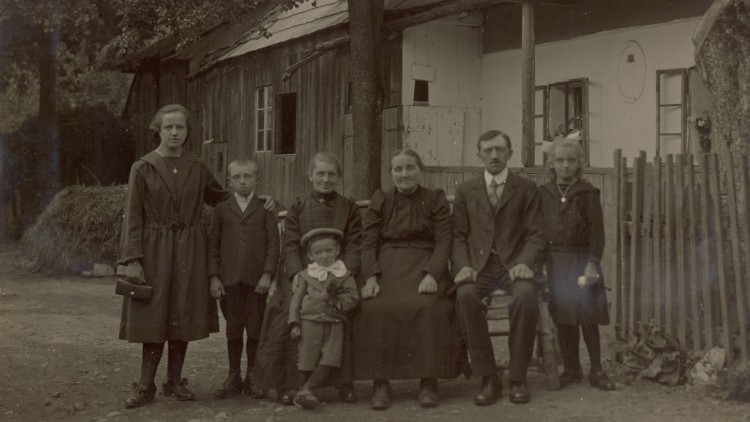
The family of Vincenc and Anna Klekar from Dolní Čermná No. 259 was dogged by tragedy long before the war. Of their ten children, only three lived to adulthood: the eldest son Vincenc, the middle son Jan, and the youngest daughter Emílie (my dear great-grandmother). Father Vincenc died on July 4, 1912, which deeply affected the family’s stability. While the eldest, Vincenc, remained at home to take over the role of head of the family and take care of the farm, Jan decided to seek his future overseas.
Jan left home in August 1913. He traveled to the German port of Bremen, from where he set sail on the ship Main. After fourteen days at sea, he arrived in New York on August 21, 1913, with 22 dollars in his pocket, then headed to Chicago to stay with his cousin Hugo Marek. He did well in Chicago, working as a carpenter and helping to build houses. He found a partner, but they had no children. In the new world, he began calling himself John Vincenet Klekar and gradually worked his way up so he could support his mother and sister, to whom he sent money, for example for a modern sewing machine.
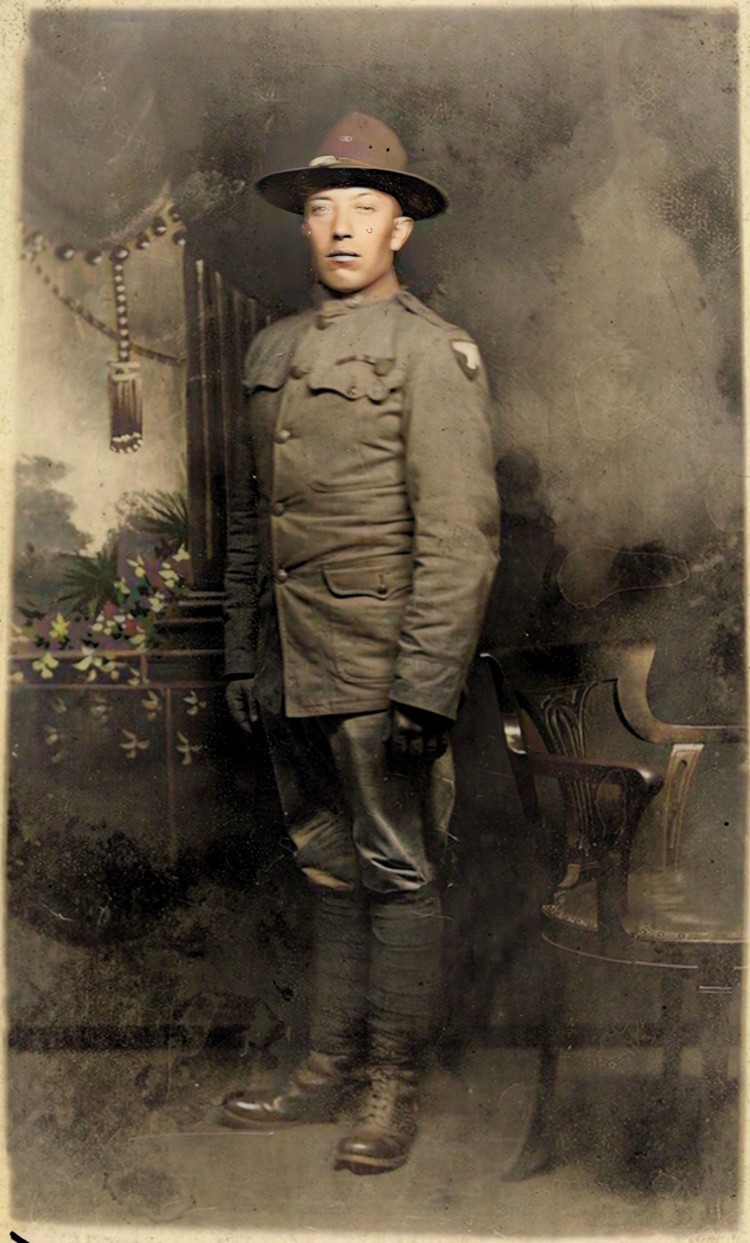
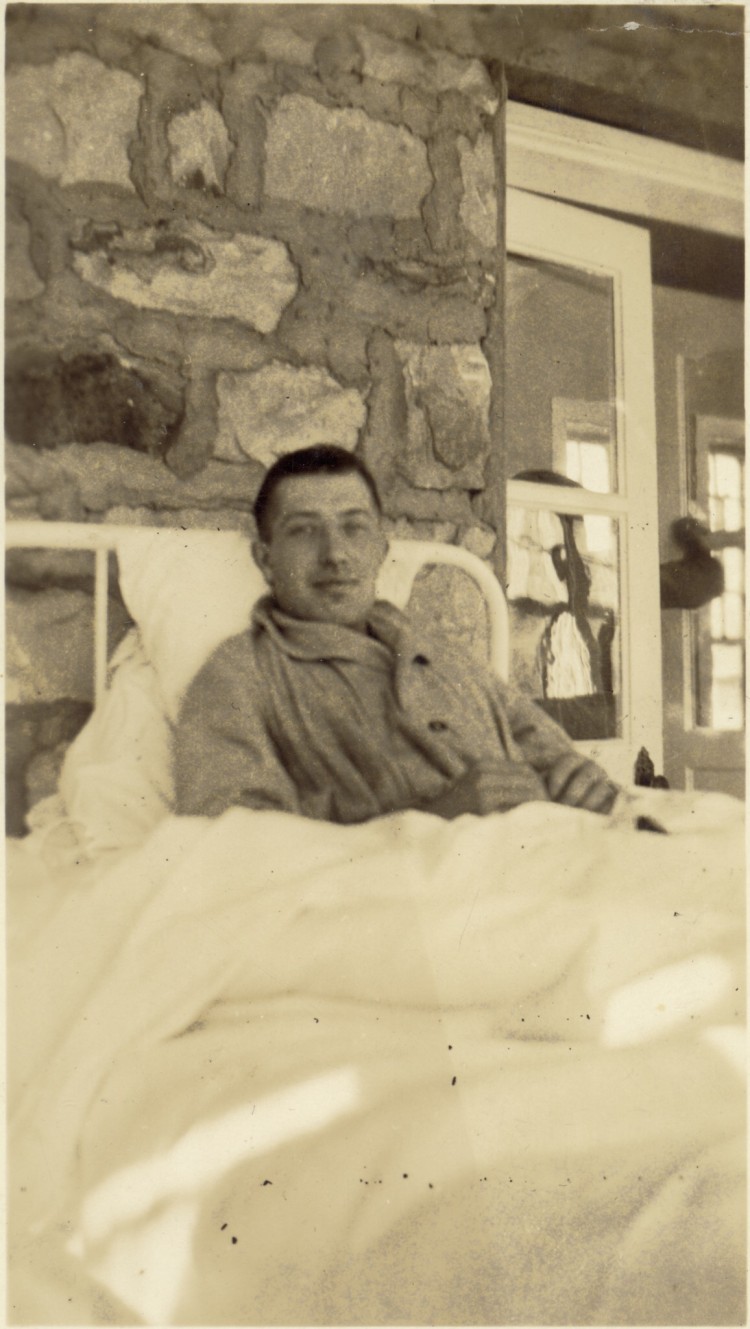
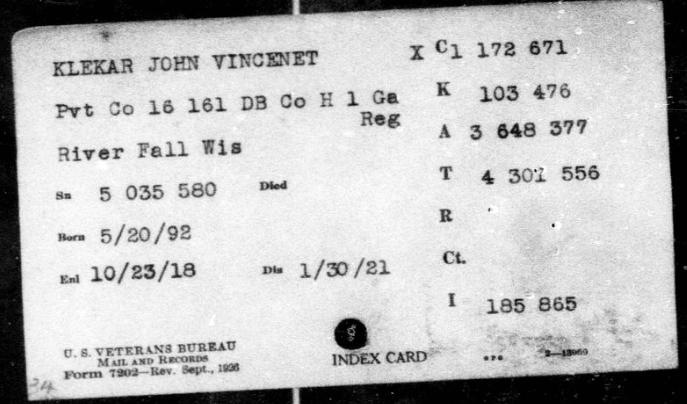
A turn of events came with the USA's entry into the First World War. While the older Vincenc had already been fighting on European battlefields for several years in the ranks of the Austro-Hungarian army, John enlisted in the US Army on October 23, 1918. He was assigned to the 161st Depot Brigade at Camp Grant (State of Illinois). It might seem that the brothers Vincenc and John would meet on opposite sides of the trenches, but the USA fought mainly on the French-German front. Although the war ended only 19 days later (November 11, 1918), John remained in the army until January 30, 1921. It was in the barracks, where the Spanish flu epidemic was peaking at the time, that he fell seriously ill with tuberculosis. After more than two years of treatment in military facilities, he was discharged as a war invalid under number C-1 172 671.
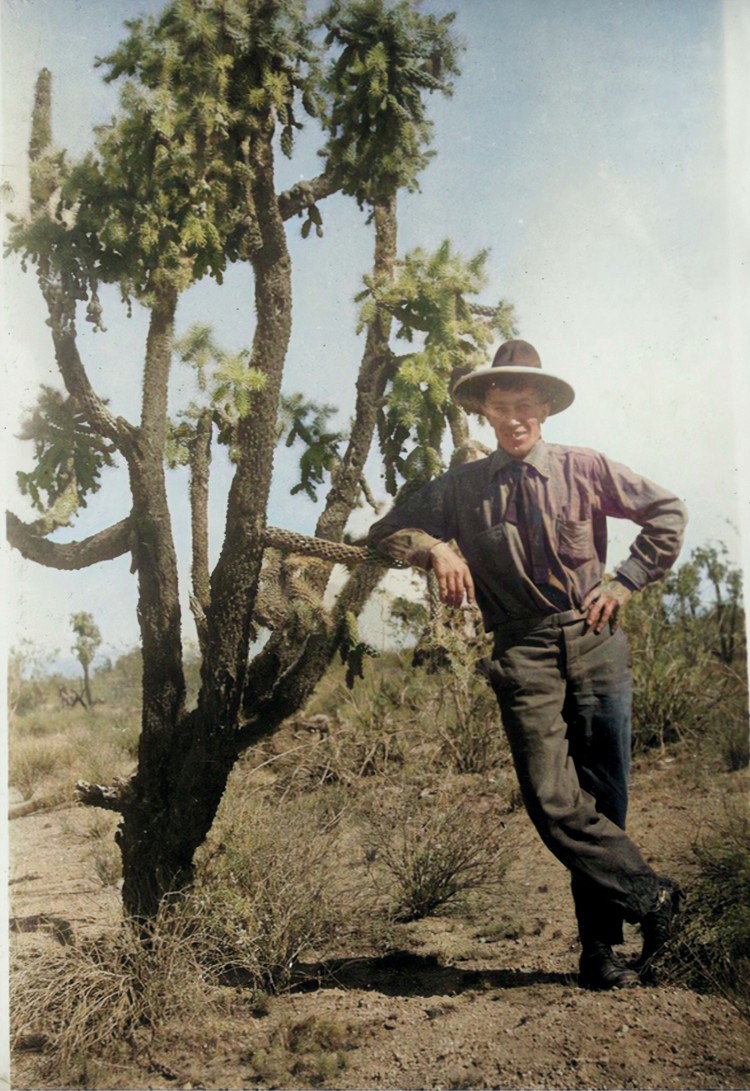
Hoping for a cure, John went to the dry climate of Arizona. He felt lonely and wanted to see his family again, so he invited his mother Anna and sister Emílie to join him in the USA. Both women were packed, holding ship tickets in their hands, and were ready to leave to reunite with their son and brother after eleven years.
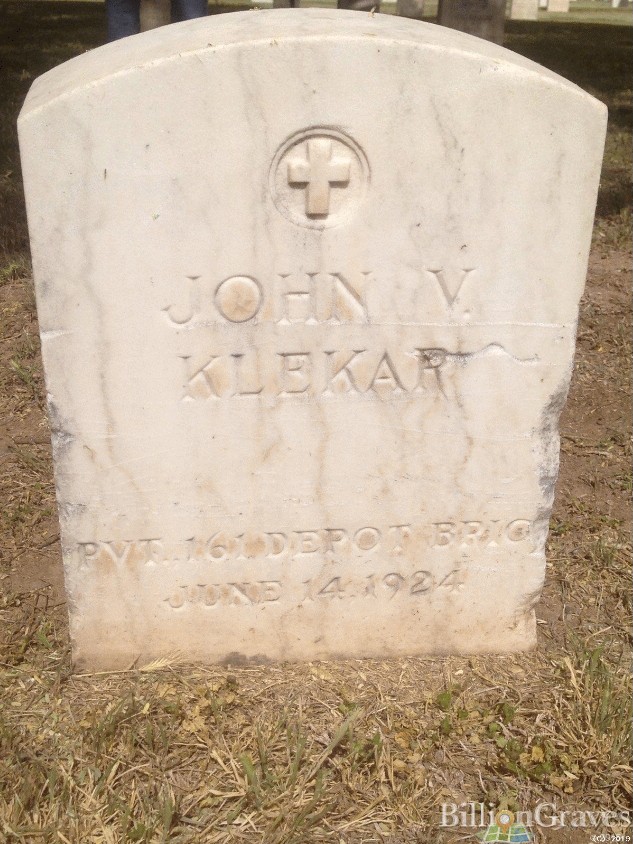
However, at the fateful moment, an express telegram arrived from America: John died of pulmonary tuberculosis in a Tucson military hospital on June 14, 1924, at the age of only 32. Since neither Anna nor Emílie had the courage to emigrate, they canceled the trip at the last minute. Jan was buried on June 16, 1924, with military honors at Evergreen Cemetery in Tucson. His tombstone in the Arizona desert remained a symbol of the dashed hopes of a family that had survived the loss of seven children, only to finally lose Jan in a foreign country just before his mother and youngest sister could join him.
Over time, Emílie married Bohumil František Faltus (my great-grandfather) from Verměřovice; his friends called him Bohouš. The couple began their life together in Dolní Čermná No. 19, and their son Ladislav (my grandfather) was born. One warm summer day, Bohouš was riding his bike in a rush, stopped at a pub for a cold beer, and subsequently contracted pneumonia, to which he later succumbed at home in bed.
The widow Emílie married for the second time, to Mr. Maršíček; although they had a son, Václav, her second marriage was not very happy. We remember from her stories that she once caught him at home with another woman. She tactfully omitted the occasion. The second marriage did not last long either, because Mr. Maršíček soon died, and shortly after that, their son Václav died as well.
Since then, my great-grandmother remained alone with my grandfather. When she received a third marriage proposal, she politely replied that she brought bad luck to husbands and did not want to bury a third man.
And the older brother Vincenc? ... he married Emílie Cejnarová; they had two sons and four daughters together. The sons died in early adulthood. Only two daughters married and continued the family lines of the Peškars and Smejkals. The surname Klekar died out in this family through the male line.
Drawn from snippets of the survivors' memories, published archives in the CR and USA, and the help of AI.
Michal Faltus